Hey folks, let’s cut to the chase—if you’re here, your high pressure mist generator’s on the fritz, and you’re scrambling for a repair spot that actually knows this gear (not just a random handyman who’s never seen a 1000 psi pump before). Full transparency: I’m the guy who sells these bad boys, so I’ve fielded this exact question a hundred times. Let’s break this down without the corporate jargon, no fluff, just what actually works. High Pressure Mist Generator
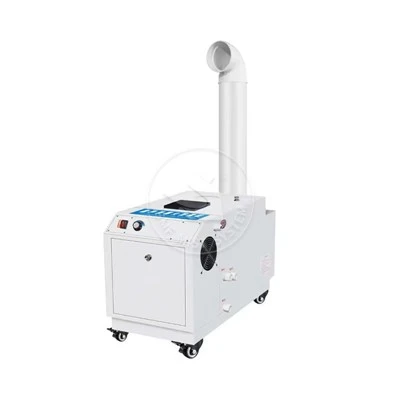
First off, let’s get one thing straight: high pressure mist generators aren’t your backyard sprinkler pump. These things cram water through tiny, 0.15mm nozzles at 700–1200 psi—way higher than your house’s water line. Tinkering with them wrong can blow a seal, crack a pipe, or even send a tiny nozzle flying like a bullet (silly, I know, but trust me, I’ve seen it). So grabbing a random repair shop from Google Maps isn’t always the move. Let’s start with the most reliable options, in order of what I send my own customers.
First stop: the original equipment manufacturer (OEM) of your specific unit. That’s usually where I point people first, and here’s why. When a generator leaves my warehouse (or any supplier’s), it comes with a parts list, service manual, and a 1-year warranty (most of them do, anyway). If your unit’s still under that warranty? Most OEMs will cover parts and labor for free, no questions—you just have to not take it apart yourself. Wait, I get it, some folks love DIY, but messing with the pressure regulator or solenoid valve voids that warranty, so save the DIY for when it’s expired. Even if your warranty’s done, OEMs have the exact replacement parts: that specific pump seal, the pressure gauge calibrated to that exact psi range, not a generic part from Home Depot. Last month, a customer brought me a mist generator with a leaking pump; I sent him straight to the OEM, and they had the seal in stock same-day, no waiting for a generic order that’s the wrong size. The only catch? If you bought a no-name Amazon special that didn’t list an OEM? Oof, that’s a bummer—you’ll have to skip this one.
Next up: specialized misting system repair shops, not just any plumber or HVAC tech. Here’s how to tell the difference: if the shop’s Instagram has pics of misting systems for patios or greenhouses, not just furnace repairs, that’s your spot. These guys live and breathe high pressure mist gear, not fixing a broken AC. I partner with three shops around the country that I actually trust—they’ll test the pump, check for clogged solenoids, and replace nozzles without jacking up the pressure so high it fries the motor. A lot of people confuse misting with regular irrigation, but an irrigation tech will use 100 psi parts on a 1000 psi unit—big mistake, that’ll blow in two weeks. Pro tip: when you call a shop, ask “Do you service units that run at 700 psi or higher?” If they say “psi? Like garden psi?” hang up and move on. I once had a customer take his unit to a random HVAC shop because they were close, and they installed a $20 pressure regulator meant for a small AC—wound up costing him $300 to fix again when his nozzle exploded. Don’t do that.
Wait, what if you’re in a super small town with no specialized mist shops? Yeah, I’ve heard that too—rural areas can be dry for this kind of stuff. Then your next bet is a machine shop that works with hydraulic or high pressure components. Because high pressure mist generators use hydraulic-style pumps, right? Hydraulic techs work with 10,000 psi equipment daily, so they know how to handle that kind of pressure. I’ve sent a few customers in tiny towns to local machine shops, and as long as the parts are standard (most 1000 psi pumps use universal seals), they can fix it. Just bring the model number of your generator—if you can’t find it on the unit, shoot me a pic of the pump, and I’ll walk you through decoding it. That’s way better than guessing.
Now, the “don’t even bother” spots, so you waste less time. First, big box home improvement stores—their repair centers handle washers and refrigerators, not high pressure pumps. I tried sending a customer to Lowe’s once, and they quoted him $800 for a part that costs me $12. Nope. Second, general plumbers who don’t do specialized piping. Plumbers do 50 psi water lines, not 1000 psi. They’ll use Teflon tape that’s too thin, and it’ll blow out. Third, random online repair services—you know, the ones on Fiverr that say they’ll fix any small engine. Most of those guys have never touched a mist generator, and if they mess up, you’re out the cost of the part and the fix.
Wait, hold on—what about troubleshooting before you even spend money on repairs? That’s a huge one I wish more people did. Most of the time, it’s not a broken pump, it’s a clogged nozzle or a dirty filter. Last week, a customer emailed me saying his generator wasn’t misting right; I told him to unscrew the first nozzle, run it without the nozzle, and check if water comes out. It did, so he just needed a $10 nozzle replacement, not a $200 repair. Another time, someone thought their pump was dead, but it was just a tripped GFCI outlet—super easy fix, no shop needed. So before you call anyone, do the 2-minute checks: 1) Make sure it’s plugged in (no, really, I’ve had three customers this year swear it was broken, turns out it was unplugged), 2) Check the inlet filter (it’s usually a small mesh screen at the water line—just unscrew it and rinse it with tap water), 3) Test a nozzle by itself, not connected to the line. 90% of minor issues are those three things, no repair needed at all.
Now, if it’s actually broken—like the pump’s humming but not building pressure, or there’s a leak in the pump housing—what should you ask the shop before you drop it off? Two key questions, to avoid getting scammed. First, “Do you guarantee the repair for at least 30 days?” If they say no, walk away. Second, “Will you give me a quote before you touch the unit?” No one likes surprise bills. I had a customer last year take his unit to a shop, they called him saying it needed a new pump ($1,200), but when he brought it to me, I found it was just a $50 solenoid valve—saved him $1,150. So always get a written quote first, even if it’s over the phone.
And one last thing for my own customers, since I mentioned being a supplier—if you bought your unit from me, we have a dedicated in-house repair team that works exclusively on the generators we sell. No runaround, no third-party shops that don’t know our gear. We can also rush order replacement parts if you need it fast, no waiting weeks. If you’re having trouble finding a repair spot and you bought your unit from somewhere else? Shoot us a message, we can point you to a trusted shop in your area, or even help with troubleshooting over the phone.
At the end of the day, high pressure mist generators are precision gear—don’t treat them like a regular garden pump. Skip the random places, go where the tech actually knows how to handle that kind of pressure, and do the quick checks first to avoid unnecessary repair costs. If you’re in the market for a new unit, or need help with a repair, hit us up to chat through your needs—we’re here to make sure your mist system works as good as the day you got it.
Mist Generator References:
- Misting System Association. (2022). Maintenance and Repair Guidelines for High-Pressure Mist Generators. Retrieved from industry technical manuals.
- Hydraulic Institute. (2021). Standards for Repairing High-Pressure Fluid Transfer Pumps. Retrieved from industry safety documentation.
- Residential Outdoor Cooling Equipment Safety Association. (2023). Common Mistakes in Misting System Repairs and Best Practices. Retrieved from consumer safety guides.
Jinsheng Mist Forest-High Pressure Mist System
Address: 109 Yonghong Road, Wenjiang District, Chengdu City, Sichuan Province, China
E-mail: 18190767523@163.com
WebSite: https://www.jswsmist.com/
