Hey there, if you’ve ever driven past a wastewater treatment plant at 2 a.m. and wondered what all those crazy-looking tanks and pipes are actually for, let me tell you — most of the heavy lifting when it comes to cleaning up the really gnasty, hard-to-remove gunk falls to one workhorse material you’ve probably seen in aquarium filters or coffee purifiers: activated carbon. As someone who’s been supplying activated carbon to treatment plants for over a decade now, I’ve heard all the questions about why it’s non-negotiable, and honestly? It’s way cooler than it sounds — no fancy lab degree required to wrap your head around it. Activated Carbon
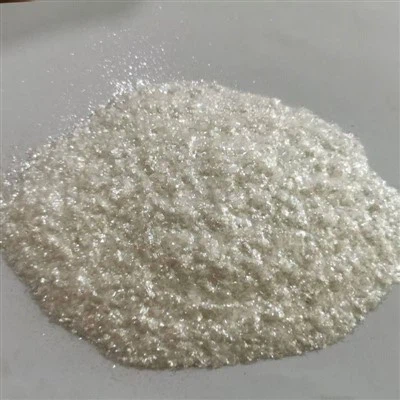
First, let’s get one thing straight: activated carbon isn’t just regular charcoal you burn on a camping trip. Yeah, it’s made from similar stuff — coconut shells, coal, wood, even nut shells — but the activation process is where the magic happens. Think of it like turning a solid block of material into a giant, super absorbent sponge, but way tinier and way more porous. When we heat the raw carbon up to like 800-1200°C (that’s super hot, by the way) in a low-oxygen environment, then blast it with steam or certain chemicals, we create millions of tiny holes and crevices all through its structure. I’m talking pores so small you can’t even see them with a regular microscope — like, nanometers small. If you laid all those pores out flat, a single pound of activated carbon would cover the area of like 100 football fields. Wild, right?
So how does that actually work in a wastewater plant? Let’s walk through the typical treatment timeline, because activated carbon is usually the final polish step — that’s where all the stuff the earlier biological and chemical steps missed gets taken care of. First, wastewater comes in from homes, factories, whatever, and goes through the big mechanical screens to get rid of leaves, plastic bags, and other big junk. Then it moves to aeration tanks where bacteria eat up the easy organic gunk — food scraps, human waste, that kind of thing. But what’s left after that? Super tricky, dissolved chemicals: pharmaceuticals that don’t break down, microplastics, heavy metals like lead or mercury, pesticides, even that weird stubborn smell or color you don’t want in water being released back into a river. That’s where activated carbon steps in.
The process that makes this possible is called adsorption — and no, that’s not the same as absorption, which is what a paper towel does when it soaks up water. Adsorption is when molecules stick to the surface of something, right? And that’s exactly what those tiny pores on activated carbon are for. The carbon’s surface has a slight charge (I won’t bore you with the chemistry details, but trust me, it works) that attracts all those dissolved gunk molecules. When water passes through a bed of activated carbon (usually in big tanks packed with the carbon pellets or powder), those unwanted molecules get snagged in all those tiny pores, while the clean water keeps flowing through. It’s like a bouncer at a club — only letting the good stuff in, kicking out the troublemakers.
Now, here’s the thing: it’s not a set-it-and-forget-it deal. The carbon doesn’t last forever. Over time, all those pores get clogged with the gunk they’ve pulled out, and once they’re full, they can’t catch anything else. That’s when we regenerate the carbon. The two main ways we do this are thermal regeneration and chemical regeneration. Thermal is the big one — we heat the used carbon back up to super high temps, burn off all the trapped gunk, and cool it down so it’s good as new. It’s like giving the carbon a deep clean and a do-over. Chemical regeneration uses certain solvents to dissolve the gunk, which works for some specific applications, but thermal is way more common for full-scale wastewater plants.
I’ve had customers ask me all the time, “Why not just use something cheaper? Like regular charcoal?” Let me break that down. Regular charcoal doesn’t have that porous activation. Its surface is way less textured, so it can’t trap nearly as many molecules. You’d have to use way more of it, and it would get full way faster — which actually ends up being more expensive in the long run. Also, regular charcoal might have other chemicals in it that could leach back into the water, which is exactly what you don’t want in a treatment plant. Activated carbon is tested super rigorously for purity, so you know it’s not adding new contaminants.
Another question I get: do different types of activated carbon work better for different stuff? Oh, absolutely. There’s granular activated carbon (GAC) which is the pellet kind used in big treatment tanks, and powdered activated carbon (PAC) which you mix right into the wastewater as it’s flowing through, then filter out later. GAC has a slower flow rate but longer lifespan — perfect for those steady, final-polish steps. PAC is great for unexpected spikes in contaminants, like if a factory dumps a bunch of weird chemicals by accident, and you need to pull them out fast. We even make specialty activated carbon for specific heavy metals or pharmaceuticals, because one size doesn’t fit all. I had a client last year that treated water from a pharmaceutical plant, and they needed a specific grade of carbon that could target leftover antibiotics that bacteria just wouldn’t eat. Without the right activated carbon, they would’ve missed those, and the water would’ve failed regulatory tests.
Wait, let’s talk about regulatory stuff too, because that’s huge for treatment plants. Every plant has to meet strict standards for what they release back into the environment, right? Activated carbon is a big part of passing those tests. I’ve seen plants that were on the brink of getting fined because their water had too much trace contaminants, and switching to a better grade of activated carbon fixed it overnight. It’s not just about removing the visible gunk — it’s about those micro-pollutants that are hard to measure but super bad for fish, wildlife, and even human health if they get into drinking water sources later.
Now, I know this sounds like we’re just selling rock (or coconut shells, or coal) but it’s actually a really important link in the wastewater chain. Without activated carbon, a lot of those tiny, persistent pollutants would slip through the cracks. Think about next time you turn on a tap, or go for a swim in a lake — that clean water? A lot of it passed through activated carbon.
If you’re a wastewater plant operator, engineer, or someone who’s tired of dealing with stubborn contaminants that other methods can’t touch, I’d be remiss not to mention that we work with plants of all sizes, from small municipal facilities to big industrial operations, to get the right activated carbon for your specific needs. We don’t do one-size-fits-all — we’ll walk you through what you’re dealing with, whether that’s heavy metals, pharmaceuticals, odor control, or whatever’s giving you headaches, and help you pick a carbon that works efficiently and doesn’t break the bank. We also offer regeneration services for used carbon, so you’re not throwing it away every few months — that’s a win for your budget and the environment.

If you’re ready to stop fighting those hard-to-remove pollutants and make sure your plant is running at its best, reach out to us to chat. No sales jargon, no confusing contracts — just straight talk about what activated carbon can do for your wastewater process. Let’s figure out the right solution together.
Graphite References:
- Crittenden, J. C., et al. Water Treatment: Principles and Design, 3rd ed. John Wiley & Sons, 2012.
- Environmental Protection Agency. "Activated Carbon for Water and Wastewater Treatment." EPA 832-F-19-005, 2019.
- Bansal, R. C., and Goyal, M. Activated Carbon Adsorption. CRC Press, 2005.
- Davis, M. L., and Cornwell, D. A. Introduction to Environmental Engineering, 6th ed. McGraw-Hill, 2020.
Lingshou County LM Mineral Products Co., Ltd.
As one of the most professional activated carbon manufacturers and suppliers in China, we’re featured by quality products and good service. Please rest assured to buy customized activated carbon made in China here from our factory. Contact us for more details.
Address: Dongzhuang Village, Nanyanchuan Township, Lingshou County, Shijiazhuang City, Hebei Province
E-mail: lmwtwz@163.com
WebSite: https://www.lmwtz.com/
