If you’re running a business that relies on RO purified water equipment—whether that’s a small café, a manufacturing facility, or a lab where pure water is non-negotiable—you already know that regular cleaning isn’t just a “nice-to-have.” It’s the backbone of consistent water quality, the longevity of your equipment, and avoiding unexpected downtime that can cost you time and money. As a supplier of RO purified water equipment, I’ve spent years walking clients through the ins and outs of proper maintenance, and one question comes up every single week: “How do I actually clean my RO system right?” It’s not as simple as spraying a hose or running a quick cycle—cutting corners here leads to biofilm buildup, membrane fouling, and water that falls short of quality standards. Let me break this down step by step, with the kind of practical, science-backed guidance I share with every client who buys my equipment. RO Purified Water Equipment
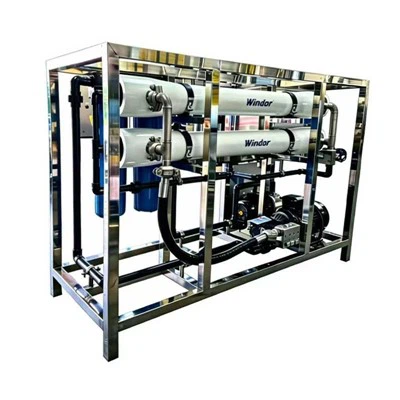
First, let’s get clear on why cleaning matters. Reverse osmosis systems work by pushing water through semipermeable membranes that block 95-99% of contaminants, from salts and heavy metals to bacteria and pesticides. Over time, those contaminants stick to the membrane surface: minerals like calcium and magnesium form scale, organic matter and microbes build into slimy biofilm, and even chlorine (which is present in most municipal water supplies) can degrade the membrane material if left unchecked. Left alone, fouled membranes drop your system’s production rate by as much as 50%, raise energy use because the pump has to work harder, and produce water that doesn’t meet regulatory standards. That’s why scheduled, targeted cleaning is non-negotiable—especially if your system sees heavy use (more than 1,000 gallons a day) or feeds on water with high TDS (total dissolved solids) or high organic content.
Now, the first rule of cleaning: it’s not one-size-fits-all. The method you use depends on the type of fouling you’re dealing with. Before you grab any chemicals, run a quick check of your system’s performance. Note the water production rate, the permeate/ purified water TDS level, and the pressure difference across the membranes (the feed pressure minus the concentrate pressure). If the pressure jump is more than 15 psi from baseline, or TDS has gone up 10% or more, you’ve got fouling—and that tells you which cleaner to use. For mineral scale (common in hard water areas), you’ll use an acid-based cleaner; for biofilm or organic fouling, a caustic (alkaline) cleaner; and sometimes a combination if you’re dealing with both. Always double-check your membrane manufacturer’s guidelines too—some membranes, like thin-film composite (TFC) ones, can’t handle certain chemicals, so skip anything with bleach if your supplier recommends against it.
Let’s start with the pre-cleaning prep. You don’t just dump chemicals into your system and cross your fingers. First, shut off the system and drain any remaining water from the pressure vessels to prevent dilution of your cleaning solution. If your system has a pre-filter (sediment or carbon), replace that now—fouled pre-filters will just gunk up your cleaning solution. Next, mix your cleaning solution correctly. For acid cleaners, usually citric acid or phosphoric acid, dilute it to a 1-2% concentration with warm water (not hot—hot water can damage membranes) and adjust the pH to between 2 and 4. For caustic cleaners, use sodium hydroxide with a small amount of a non-ionic surfactant (to break up biofilm) and adjust pH to 11 to 12.5. A pH test strip is all you need here—don’t guess. Once mixed, run the solution through the system in reverse: instead of feeding water from the source into the membranes, send the cleaning solution from the concentrate side to the permeate side. This ensures the solution gets into the tiny pores of the membrane, not just sitting on the surface. Run the cleaning solution for 10 to 15 minutes, then let it soak for 30 to 60 minutes—this is where the magic happens, as the solution dissolves scale or breaks down biofilm. For really stubborn fouling, you can let it soak overnight, just make sure the solution stays at the right pH.
After soaking, flush the system thoroughly. Run clean, pH-neutral water through the system until the concentrate and permeate water test at a pH of 7, no residual cleaning chemicals left. Then run the system for 15 to 20 minutes at full flow to clear out any loosened debris. Check your performance metrics again—your pressure difference should drop back to near baseline, and TDS levels should return to normal. If they don’t, you may need to repeat the process or try a different cleaner, but if you follow the steps right, most systems bounce back to full capacity after one clean.
Wait, I’ve seen so many clients skip the regular maintenance routine and only clean when their system breaks. That’s a mistake. Preventive cleaning is way easier than fixing a fouled membrane. Let’s talk about a maintenance schedule: if your system runs 24/7, do a light chemical clean every 3 to 6 months, plus a quick daily rinse (for smaller systems) or weekly deep flush (for larger ones) of the membranes. For systems that run 8 to 12 hours a day, extend that to every 6 to 12 months, but still do weekly flushes. Also, never skip pre-treatment: a good sediment filter will catch large particles, a carbon filter will remove chlorine (which kills membranes), and a water softener will prevent scale buildup in the first place. As a supplier, I always emphasize pre-treatment because it cuts cleaning frequency in half and saves clients money in the long run.
Now, a few common mistakes I see all the time. First, using too strong a chemical solution. Someone heard a “double strength” works better, so they mix 5% citric acid—this eats through membrane materials, leading to leaks and needing early membrane replacement. Stick to the 1-2% guideline. Second, not flushing thoroughly. If you leave residual cleaning chemicals in the system, they can react with the water and contaminate the purified water you produce. Third, cleaning the membranes without diagnosing the fouling type. If you have biofilm and you use an acid cleaner, it won’t touch the slimy microbes, so you’re just wasting chemicals. Take 10 minutes to test your water and check pressure before you start. Fourth, ignoring small issues. If your TDS creeps up 2% over a month, that’s a sign of early fouling—address it now, don’t wait until it’s a 10% jump.
Let’s wrap this up with a quick example from a recent client. A small beverage client of mine was complaining that their RO system’s soda production had off-flavors, and their production rate was down 40%. We checked their metrics: TDS was up 12%, pressure difference was 20 psi. They were using a carbon filter that was expired, and their membranes had light biofilm buildup. We replaced the carbon filter, ran a caustic cleaner with surfactant, and followed up with a weekly flush schedule. Within a week, their production rate was back to 95% of baseline, and the off-flavors were gone. That’s the difference between proper cleaning and ignoring maintenance.
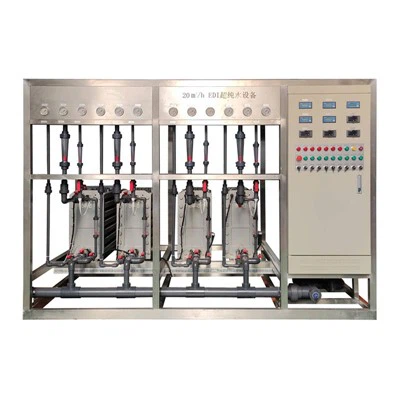
If you’re using a RO purified water equipment and haven’t set up a consistent cleaning routine, or you’re dealing with performance issues that you can’t figure out, I’m here to help. Whether you need a maintenance checklist tailored to your system, guidance on which cleaners to use, or support troubleshooting a tricky fouling issue, feel free to reach out to discuss your needs. Investing in regular cleaning isn’t just about keeping your equipment running—it’s about ensuring the water you produce is safe, consistent, and up to whatever standards you need. Don’t wait until a breakdown costs you thousands of dollars; proactive maintenance is the smartest choice for any business relying on RO water.
SWRO & BWRO Equipment References:
- American Water Works Association. (2019). Reverse Osmosis and Nanofiltration for Industrial Applications. AWWA Press.
- Glater, J., & McCutcheon, S. C. (2002). Membrane Cleaning: Principles and Practice. Journal of Membrane Science, 201(1-2), 117-145.
- Water Quality Association. (2021). Guide to Maintenance of Reverse Osmosis Systems. WQA Technical Bulletin.
- semiconductor industry. (2020). RO System Cleaning Protocols for High-Purity Water Applications. Semiconductor Manufacturing Association Standards.
Shandong Yanuo Environmental Protection Equipment Co., Ltd.
We’re well-known as one of the leading ro purified water equipment manufacturers and suppliers in China, featured by quality products and good price. Please rest assured to buy bulk ro purified water equipment made in China here from our factory. Customized orders are welcome.
Address: North Side of the Road, 1,000 Meters West of the Intersection of Fenghuangshan West Road and Provincial Highway S102, Wangfu Subdistrict, Qingzhou City, Weifang City, Shandong Province.
E-mail: ynhb.499973983@gmail.com
WebSite: https://www.zkyaruo.com/
