Hey there, if you’ve ever wondered how those tough, long-lasting filter elements that keep industrial fluids, gases, and even air squeaky clean are made—you’re in the right spot. I’m part of the team at a sintered metal material and filter element supplier, and honestly, this process is way cooler than most folks assume. It’s not just melting metal and squirting it into shape; it’s a mix of super precise powder work, temperature control, and pressure that turns regular metal powder into something porous, strong, and perfect for filtering. Let’s break it down like we’re chatting over coffee, no stuffy jargon (I’ll keep the tech terms simple, promise). Sintered Metal Material and Filter Element
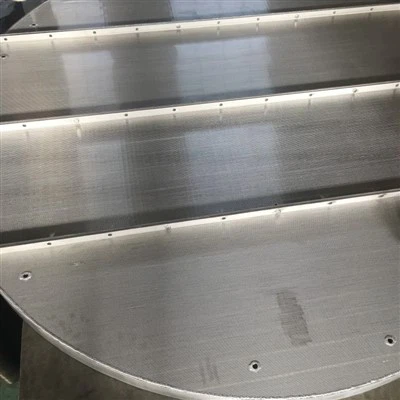
First off, let’s get one thing straight: sintered metal is way different from cast metal or welded metal. Casting melts metal all the way into liquid, pours it into a mold, and lets it harden. Welding joins two pieces with heat and filler. Sintering? We start with metal powder—super fine, almost dust-like particles—and heat them just enough to make them stick together, not melt all the way. That’s the key. It leaves tiny, controlled pores inside the final product, which is exactly what a filter needs: pores small enough to catch gunk, but big enough to let fluids or gases flow through without clogging right away.
So how do we turn that loose powder into a usable filter, anyway? Let’s walk through the steps, from raw material to finished filter.
Step 1: Pick the Right Metal Powder (No One-Size-Fits-All Here)
First, we gotta choose the metal or metal alloy that fits what the filter’s gonna deal with. Is it for hot, corrosive chemicals? We go with 316L stainless steel—super tough, resists rust even in saltwater or strong acids. Is it for high-temperature exhaust fumes from a factory furnace? Maybe Inconel or titanium, which don’t break down when it’s 1,000°F+ out. For cheaper, basic applications like filtering water in a small irrigation system? 304 stainless steel or even bronze works.
Wait, not just any powder—we control the size of the particles, too. If we need a filter that catches tiny 5-micron particles (1 micron is like 1/20 the width of a human hair), we use finer powder, like 10 to 20 microns. If we need big flow for stuff like mining slurry, we use coarser powder (50 to 100 microns) so the pores are bigger. We also mix powders sometimes—like adding a little copper to stainless steel to make it sinter better at lower temps, which saves energy and keeps the metal’s strength up.
Step 2: Shape the “Green Body” (Yep, That’s What We Call It)
Now that we’ve got the powder sorted, we need to turn it into the shape of the filter we want. Filters aren’t just flat disks—sometimes they’re tubes, cups, even weirdly shaped discs for specialized equipment. How do we shape it? Two main ways, depending on the size and how many we’re making.
First, compaction (this is the most common for mass-produced filters). We pour the exact amount of powder into a metal mold—like a little cookie cutter, but heavy-duty—and then squeeze it with a giant press. Think 10 to 50 tons of pressure, enough to turn loose dust into a solid, but still fragile lump (that’s the “green body”). If it’s a tubular filter, we might use a core rod inside the mold so the center is hollow, or even extrude the powder like Play-Doh through a die to make long tubes, then cut them to size.
The other way is slip casting, which is more for smaller, custom filters or super complex shapes. We mix the metal powder with a binder (like a little plastic or wax) and a solvent to make a slurry, then pour it into a porous mold (usually plaster). The mold pulls the solvent out, leaving a solid shape, which we then dry before moving on. This is slower, but great for one-off parts that compaction can’t do—like a filter for a custom lab machine.
Pro tip here: We never overfill the mold. Too much powder, and the green body cracks when we press it. Too little, and the final filter is weak or has gaps in the structure. It’s like making a snowball—too little snow, it falls apart; too much, it splits when you roll it.
Step 3: Sintering (The Magic Step That Makes It Work)
Okay, this is the part that makes sintered metal special. We put the green body into a furnace—super controlled, no oxygen (that’s important, because oxygen would make the metal rust or burn). The temperature varies based on the metal: for stainless steel, it’s around 1,300 to 1,400°F; for bronze, lower, like 1,100°F.
What happens here is called “solid-state bonding.” The metal particles don’t melt, but their surfaces get soft and start to stick to each other where they touch. Over time, the tiny gaps between particles start to shrink into those consistent pores we want. We hold it at that temp for 30 minutes to a few hours, depending on the size of the part and how dense we want it.
Wait, why no oxygen? If there’s air in the furnace, the stainless steel forms chromium oxide on the surface, which makes the filter brittle and less resistant to corrosion. So we flood the furnace with argon or nitrogen gas—super dry, inert gases that don’t react with metal. It’s like cooking with an oven that’s sealed tight, so your food doesn’t burn.
Also, we can adjust the pore size here, too. If we sinter at a lower temp for less time, the particles don’t bond as much, so pores stay bigger. Higher temp, longer time, and the particles melt a little (still solid-state) to fill some gaps, making smaller pores. That’s how we can make filters for everything from catching large debris (50 microns) to filtering out tiny bacteria (0.2 microns) — same base process, just tweaked a little.
Step 4: Post-Treatment (Getting It Ready for Actual Use)
Once the filter comes out of the furnace, it’s not done yet. We do a few steps to make it useful, depending on what it’s for.
First, de-burring. The edges of the filter might have little rough bits from the mold or pressing, so we tumble them in a barrel with small ceramic or metal beads—like a rock tumbler for jewelry, just way bigger. That smooths the edges so it doesn’t scratch pipes or get clogged on rough spots.
Then, we might size the pores. If we need super precise pore sizes (like for pharmaceutical filters, where even one wrong particle can contaminate drugs), we do a process called sintering with a controlled atmosphere, or sometimes a leaching step. For example, if we make a filter with a little salt mixed in the powder, the salt dissolves after sintering, leaving perfect, uniform pores (that’s called “space holder” method). No random gaps, just exactly what we need.
We also test every filter, by the way. Not just once, multiple times. We check the strength—can it handle 100 psi of pressure without breaking? We check flow rate—how much water or gas goes through it in a minute—and pore size to make sure it’s catching the right stuff. For food or medical filters, we even test for leaching: does any metal or binder come off into what it’s filtering? If not, it’s good to go.
Sometimes, we add coatings, too. If the filter’s going to be in a super corrosive environment (like offshore oil rigs), we might electroplate a thin layer of nickel on it to add extra protection. Or if it’s for filtering paint, we might make the surface a little smoother so paint doesn’t stick to the pores.
How This Differs From Other Filter Types
Let’s be real—you could make a filter out of paper, plastic, even cloth. Why sintered metal? Because it’s way tougher. Paper filters clog and break after a few uses. Plastic melts at high temps or gets eaten by chemicals. Sintered metal? It can last for years, handle harsh temperatures and chemicals, and even be cleaned and reused. You can blast it with compressed air to blow out the gunk, or wash it with a strong solvent, and it’s good as new. That’s why it’s the go-to for factories, refineries, aerospace, even food and beverage plants.
We’ve had clients use our sintered metal filters in places where paper filters would only last a week—our filters last 6 months, sometimes a year, cutting down on replacement costs a ton. Plus, they don’t shed little fibers or plastic bits into whatever’s being filtered, which is non-negotiable for food or medical use.
Why We’re Happy Doing This
At the end of the day, we’re not just selling metal parts. We’re solving problems. A refinery needs a filter that can catch tiny metal shavings in crude oil without slowing down production—our sintered metal filters do that. A brewery needs a filter that keeps yeast out of beer but lets the flavor stay—we make that. Even a manufacturer of electric cars uses our sintered metal filters to clean the coolant in their battery systems, because reliability matters.
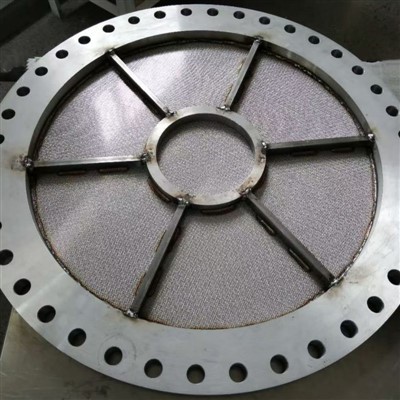
If you’re reading this and have a filter need that’s got you stuck—whether it’s high temp, corrosive fluids, consistent pore sizes, or reusability—we’re here to chat. No pushy sales talk, just us figuring out what works for your operation. Just reach out to our team to discuss your sintered metal material or filter element requirements.
Wedge Wire Filter Screen References
- German, R. M. (2014). Powder Metallurgy Science. Metal Powder Industries Federation.
- “Sintered Metal Filters: Production and Applications”. Journal of Porous Materials, vol. 22, no. 3, 2015, pp. 789-802.
- Ashby, M. F., & Jones, D. R. H. (2012). Engineering Materials 2: An Introduction to Microstructures, Processing and Design. Butterworth-Heinemann.
Henan Easy Filter Equipment Co., Ltd.
As one of the leading sintered metal material and filter element manufacturers and suppliers in China, we offer a wide range of products with superior quality. Please rest assured to buy advanced sintered metal material and filter element from our factory. We also accept customized orders.
Address: Apartment No.1, Building No.2, Zhengshang Jinyushijia, Xinzhong Street, Xinxiang, Henan, China.
E-mail: vivian@easyfiltertech.com
WebSite: https://www.easyfilter-china.com/
