Can a bench sander be used for sanding brass? This question is one that often arises among metalworkers, hobbyists, and professionals alike. As a bench sander supplier, I’m frequently asked about the compatibility of brass and bench sanders. In this blog post, I’ll delve into the details of using a bench sander for sanding brass, discussing the pros, cons, safety considerations, and best practices. Bench Sander

The quick answer to the question of whether a bench sander can be used for sanding brass is yes. A bench sander is perfectly capable of sanding brass and can be a useful tool in a variety of applications. Brass is a metal alloy composed primarily of copper and zinc, and it has a relatively low hardness compared to other metals. This makes it suitable for sanding with a bench sander, as the abrasive belts or discs can easily remove material from the brass surface.
One of the primary advantages of using a bench sander for sanding brass is the speed and efficiency it offers. A bench sander can quickly remove large amounts of material, making it ideal for tasks such as deburring, shaping, and smoothing brass components. Whether you’re working on a small brass jewelry piece or a large industrial part, a bench sander can significantly reduce the time and effort required to achieve the desired finish.
Another benefit of using a bench sander for brass is the consistency of the finish it can provide. The abrasive belts or discs on a bench sander rotate at a high speed, creating a uniform sanding action that results in a smooth and even surface. This is particularly important when working on projects that require a high level of precision and a professional-looking finish.
In addition to speed and consistency, a bench sander also allows for greater control over the sanding process. Most bench sanders come with adjustable speed settings, which allow you to vary the speed of the abrasive belt or disc depending on the type of brass and the desired finish. This gives you the flexibility to sand the brass at a pace that suits your specific needs and ensures that you don’t damage the material.
However, there are also some potential drawbacks to using a bench sander for sanding brass. One of the main concerns is the risk of overheating the brass. When sanding brass, the friction between the abrasive and the metal can generate a significant amount of heat. If the brass gets too hot, it can cause it to become discolored, warped, or even lose its temper. To prevent this from happening, it’s important to use a coolant or lubricant during the sanding process. This will help to dissipate the heat and keep the brass at a safe temperature.
Another potential issue is the risk of scratching the brass. The abrasive belts or discs on a bench sander can be quite aggressive, and if they’re not used properly, they can leave deep scratches on the brass surface. To minimize the risk of scratching, it’s important to use the correct grit size of abrasive for the job. A finer grit will result in a smoother finish and less risk of scratching, while a coarser grit can be used for removing larger amounts of material quickly.
Safety is also a major consideration when using a bench sander for sanding brass. As with any power tool, it’s important to follow all safety guidelines and wear the appropriate personal protective equipment (PPE). This includes safety glasses, gloves, and a dust mask. The sanding process can generate a lot of dust and debris, which can be harmful if inhaled. A dust mask will help to protect your lungs from these particles.
When using a bench sander for sanding brass, it’s also important to keep the work area clean and organized. Make sure that there are no loose objects or debris on the bench or in the vicinity of the sander. This will help to prevent accidents and ensure that the sander operates smoothly.
To get the best results when sanding brass with a bench sander, it’s important to follow a few best practices. First, make sure that the brass is clean and free of any dirt, grease, or oil before you start sanding. This will help the abrasive to grip the surface of the brass more effectively and result in a better finish.
Next, choose the correct grit size of abrasive for the job. As mentioned earlier, a finer grit will result in a smoother finish, while a coarser grit can be used for removing larger amounts of material quickly. If you’re not sure which grit size to use, it’s a good idea to start with a medium grit and then work your way up or down depending on the results.
When sanding the brass, it’s important to apply even pressure and move the brass across the abrasive in a smooth, steady motion. Avoid applying too much pressure, as this can cause the brass to overheat and damage the abrasive. It’s also a good idea to sand the brass in a well-ventilated area to prevent the build-up of dust and fumes.
Finally, after you’ve finished sanding the brass, it’s important to clean it thoroughly to remove any remaining dust or debris. You can use a clean cloth or a brush to wipe the brass down, and then rinse it with water to remove any stubborn particles.
In conclusion, a bench sander can be a valuable tool for sanding brass. It offers speed, efficiency, and consistency, and it allows for greater control over the sanding process. However, it’s important to be aware of the potential risks and to take the necessary precautions to ensure a safe and successful sanding operation. By following the best practices outlined in this blog post, you can achieve a high-quality finish on your brass components.
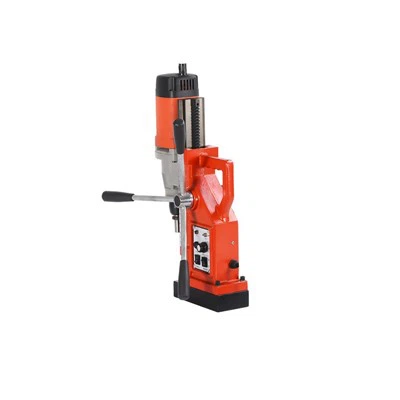
If you’re in the market for a bench sander for sanding brass or other materials, I encourage you to reach out to me. As a bench sander supplier, I have a wide range of products to choose from, and I can help you find the perfect sander for your needs. Whether you’re a professional metalworker or a hobbyist, I’m here to provide you with the best products and the highest level of customer service. Don’t hesitate to contact me to discuss your requirements and explore how we can work together.
Manual Arbor Press References
- Machinery’s Handbook, 31st Edition. This comprehensive reference book covers a wide range of topics related to machining, including sanding and finishing of metals.
- Metalworking for Dummies, by Jeff Beasley. A great introductory guide to metalworking, which includes information on using bench sanders and working with brass.
- Various industry – specific trade magazines and publications that focus on metal fabrication and finishing techniques.
YS Machine Tools Co., Ltd.
We’re well-known as one of the leading bench sander suppliers in China, featured by quality products and good service. Please rest assured to buy customized bench sander at competitive price from our factory. Contact us for more details.
Address: 300 Sandusky st, Ohio, 43611, USA
E-mail: yishoumachinetools@gmail.com
WebSite: https://www.ysmachinetool.com/
