As a supplier of Polyvinylidene Chloride (PVDC) Printing Film, I often encounter questions and concerns about its environmental impact. In this blog post, I aim to delve into these environmental concerns and provide a comprehensive understanding of where PVDC Printing Film stands in the context of environmental sustainability. Polyvinylidene Chloride Printing Film
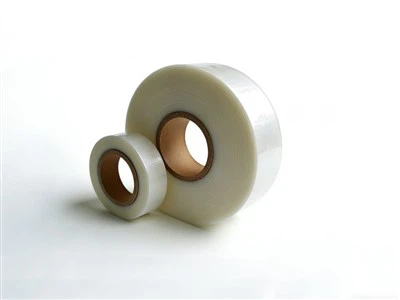
Understanding Polyvinylidene Chloride (PVDC) Printing Film
PVDC Printing Film is a high – performance plastic film known for its excellent barrier properties against oxygen, moisture, and odors. It is widely used in the food packaging industry, as well as in other sectors where product protection is crucial. Its unique characteristics make it an ideal choice for preserving the freshness and quality of products, reducing food waste in the long run.
Production – related Environmental Concerns
Raw Material Extraction
The production of PVDC Printing Film starts with the extraction of raw materials. Vinylidene chloride (VDC), the primary monomer for PVDC, is synthesized from various chemical processes. The production of VDC involves the use of chlorine, which has raised some environmental eyebrows. The chlor – alkali process, which is used to produce chlorine, can generate hazardous by – products such as mercury if not properly controlled.
However, in the modern chemical industry, advanced technologies and strict regulations have been implemented to minimize these risks. Manufacturers use mercury – free cells in the chlor – alkali process, significantly reducing the release of mercury into the environment. In addition, companies are constantly investing in research and development to further improve the efficiency of the raw material extraction and synthesis processes, thereby reducing the overall environmental footprint.
Energy Consumption
The manufacturing process of PVDC Printing Film is energy – intensive. Polymerization, extrusion, and other processing steps require a significant amount of energy, usually in the form of electricity and heat. This high energy consumption can contribute to greenhouse gas emissions, especially if the energy is sourced from fossil – fuel – based power plants.
To address this concern, our company and many others in the industry are actively exploring alternative energy sources. We are gradually transitioning to renewable energy options, such as solar and wind power, to power our manufacturing facilities. Moreover, we are implementing energy – saving technologies in our production lines, such as heat recovery systems, to reduce energy waste.
Use – phase Environmental Considerations
Barrier Benefits for Food Preservation
One of the most significant environmental advantages of PVDC Printing Film is its ability to extend the shelf – life of food products. By providing an effective barrier against oxygen, moisture, and other external factors, it helps to keep food fresh for longer periods. This reduces the amount of food that spoils and is ultimately wasted. According to some studies, food waste is a major contributor to global greenhouse gas emissions, as rotting food in landfills produces methane, a potent greenhouse gas.
For example, when used to package fresh produce or meat, PVDC Printing Film can prevent premature spoilage and allow these products to reach consumers in a consumable state. This not only benefits the environment but also has economic advantages for both producers and consumers.
Non – Toxic in Contact with Food
PVDC is generally considered safe for food contact applications. It is approved by regulatory bodies such as the U.S. Food and Drug Administration (FDA) and the European Food Safety Authority (EFSA). This means that when used in food packaging, it does not leach harmful chemicals into the food, which is an important consideration for both human health and the environment.
End – of – life Environmental Issues
Recycling Challenges
One of the main environmental concerns with PVDC Printing Film is its recyclability. PVDC is a relatively complex polymer, and recycling it is more difficult compared to some other common plastics such as polyethylene or polypropylene. The presence of chlorine in the polymer structure requires specialized recycling processes to ensure that no harmful by – products are released.
Currently, the global recycling infrastructure for PVDC is not as well – developed as for other plastics. However, the industry is working on this issue. Some companies are investing in research to develop more efficient recycling technologies for PVDC. Additionally, there are initiatives to improve the collection and sorting systems so that PVDC waste can be properly directed to the appropriate recycling facilities.
Disposal and Incineration
When PVDC Printing Film is not recycled, it often ends up in landfills or is incinerated. Incineration of PVDC can be a concern because it can release chlorine – containing compounds, such as dioxins and furans, which are highly toxic and persistent in the environment. These compounds can accumulate in the food chain and have harmful effects on human health and wildlife.
To mitigate these risks, modern waste – to – energy incinerators are equipped with advanced air pollution control technologies. These technologies can remove a large portion of the harmful pollutants before they are released into the atmosphere. In addition, proper waste management practices, such as sorting and reducing the amount of PVDC waste going to incineration, can also help to minimize the environmental impact.
Our Commitment to Environmental Sustainability
As a supplier of PVDC Printing Film, we are well – aware of the environmental concerns associated with our product. We are committed to taking proactive steps to minimize its environmental impact throughout its life cycle.
In the production phase, we are continuously improving our manufacturing processes to reduce energy consumption and raw material waste. We are also working with our raw material suppliers to ensure that they follow the highest environmental standards.
During the use phase, we educate our customers about the benefits of PVDC Printing Film in terms of food preservation and waste reduction. We also support initiatives to promote sustainable packaging designs that use PVDC in a more efficient way.
In terms of end – of – life management, we are actively involved in research and development projects related to PVDC recycling. We believe that by working together with the industry, government agencies, and waste management companies, we can develop a more sustainable recycling system for PVDC Printing Film.
Conclusion and Call to Action

In conclusion, while there are some environmental concerns associated with Polyvinylidene Chloride Printing Film, it also offers significant environmental benefits, especially in terms of reducing food waste. The industry is making great strides in addressing the challenges related to production, use, and end – of – life management.
Heat Resistant Vacuum Pouch If you are in the market for high – quality and sustainable packaging solutions, we encourage you to reach out to discuss how our PVDC Printing Film can meet your needs. Our team of experts is ready to provide you with detailed information and custom – tailored solutions. Let’s work together to create a more sustainable future while ensuring the best protection for your products.
References
- "Food Waste and Its Environmental Impact: A Review" by various authors in different scientific journals.
- Reports from regulatory bodies such as the U.S. FDA and the European EFSA on the safety of PVDC for food contact.
- Industry – specific research papers on PVDC production processes, energy consumption, and recycling technologies.
Sinosealed Packaging Solutions Limited
With a professional production team, we are one of the most experienced polyvinylidene chloride printing film manufacturers and suppliers in China. Please rest assured to buy high quality polyvinylidene chloride printing film for sale here from our factory. For price consultation, contact us.
Address: Luohe City, Henan Province, China
E-mail: contact@barrierpackage.com
WebSite: https://www.barrierpackage.com/
