When I first started working in architectural security, I’ll admit I lumped all “protection” measures into one big category—steel gates, security cameras, laminated glass, even those bulky reinforced doors at bank branches. Three years as a supplier of architectural bulletproof glass changed that. I’ve sat across from office managers panicking about break-ins, mall owners stressed about crowd-related incidents, and school administrators navigating new safety mandates, and every single one asks the same question: “Is bulletproof glass worth the extra cost, or should I stick to what I already have?” Bulletproof Glass for Architecture
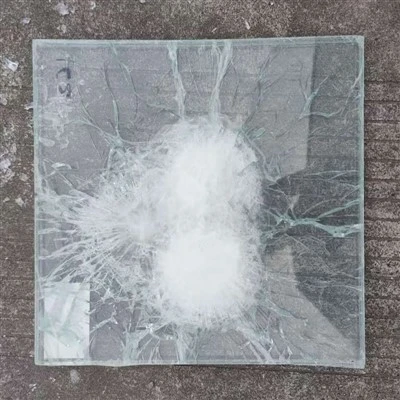
It’s a fair question. Building security isn’t one-size-fits-all, and picking the wrong measure means wasting budget or, worse, leaving spaces vulnerable to something we never saw coming. Let’s break down how architectural bulletproof glass stacks up against the most common security alternatives, from laminated glass to physical barriers and active security systems, and why it’s not just a “high-risk only” solution—it’s often the smarter, more functional choice for a whole range of commercial, institutional, and even high-traffic retail spaces.
First, let’s get one thing straight: architectural bulletproof glass isn’t the same as the stuff you see in action movies or the armored trucks that take cash to banks. It’s engineered specifically for building use—think storefronts, office lobby windows, hospital nurse stations, school perimeter glazing. Unlike car windshield laminated glass, which is thin and designed only to keep debris out, architectural bulletproof glass is a layered composite of hard polycarbonate or acrylic interlayers bonded between sheets of tempered or annealed glass, with thicknesses calibrated to stop specific threats: handguns, rifles, even blunt force or explosive fragments depending on the rating. That calibration is key because it’s what separates it from the security measures we compare it to.
Let’s start with the most common alternative: standard laminated glass. A lot of people confuse these two. Laminated glass has a thin vinyl interlayer that keeps it from shattering into tiny, sharp pieces if hit, which is why it’s used for car windshields. But stop there. NIJ (National Institute of Justice) testing confirms that even the thickest residential laminated glass can only stop small, low-velocity projectiles like a baseball or a rock. A 9mm handgun round? It’ll punch right through. Last year, I worked with a café owner in downtown Chicago who installed $12,000 worth of storefront laminated glass after a string of petty thefts. Six months later, a teen with a pellet gun shattered three panels in 10 minutes, and when he tried to steal the cash register, the owner got his hand cut open on the shards. He called us that day, frustrated, but also shocked he’d wasted that money. Laminated glass solves one problem (shattering glass) but not the main security one (stopping force or projectiles). Architectural bulletproof glass solves both—plus, it’s so clear you can barely tell the difference between a standard storefront and one of our 1-inch-thick bulletproof panels, which is a huge functional win for places that care about curb appeal.
Next up: physical barriers, like bollards, steel gates, and reinforced window grilles. These are go-tos for a lot of building managers who want something tangible, something they can point to and say “this keeps people safe.” But here’s the catch: they’re obtrusive. A steel grille on a school window makes the space feel like a prison, which is terrible for student morale. Bollards planted in front of a retail store’s entrance block wheelchair access and make the parking lot feel cramped. Last month, I met with a community hospital in Atlanta that had installed heavy steel swing gates around their emergency department. By 7 a.m. each day, nurses complained they were a hazard when trying to move gurneys in and out, and visitors were skipping the main entrance entirely because the gates closed too early. Architectural bulletproof glass, by contrast, is integrated into the building’s design. A nurse station with bulletproof glass lets staff see and speak to patients without risking crossfire or assault, a restaurant’s bulletproof storefront doesn’t ruin the outdoor dining vibe, and office lobby panels let visitors feel welcome while blocking unauthorized access. It’s not just security—it’s unobtrusive security. That’s a game-changer for spaces that need to balance safety with comfort.
Then there’s active security systems: cameras, alarms, security guards, access control. These are critical, don’t get me wrong—we never recommend replacing a good security team or a smart camera system. But they’re reactive, not proactive. An alarm might alert you to a break-in, but it doesn’t stop a round from going through a window while you’re waiting for police. In 2022, a law firm in New York had a security system with 24/7 monitoring and two on-site guards after a series of targeted threats. One evening, someone fired three rounds through the lobby window; the alarm went off in 10 seconds, but by the time police arrived, the rounds had shattered the conference room table and a secretary’s laptop, and no one was physically hurt, but the firm lost $50,000 in equipment and had to close for three days for repairs. That’s the gap active systems can’t fill. Architectural bulletproof glass is the proactive layer that stops the threat before it reaches inside the building. It works alongside active systems, not against them—so you get the best of both: cameras to monitor activity, and a barrier to neutralize actual force.
Now, let’s talk about when bulletproof glass actually makes sense, because I don’t want to paint it as a solution for every single building. I’ve seen it work best in high-traffic, high-risk spaces: bank branches, jewelry stores, school administration offices, hospital emergency departments, government buildings, even popular retail stores in cities with high rates of smash-and-grab theft. A few years back, we did a project for a mall in Houston that had four smash-and-grab incidents in a month, with stores losing an average of $80,000 each. We installed architectural bulletproof glass on all their ground-floor storefronts, and in the first year after installation, there were zero smash-and-grabs. The mall’s security team told us that even if someone tried to ram a car into a storefront, the glass would hold, which gave them time to respond before damage happened. That’s the kind of ROI that’s hard to ignore.
But wait—what about cost? I know the first question anyone asks is “how much does this cost?” Architectural bulletproof glass is more expensive upfront than laminated glass or standard barriers, right? Maybe not as much as you think. Let’s do a quick real-world example: a 10-foot by 8-foot storefront. Standard laminated glass is around $80 per square foot, installed, for a total of $6,400. Architectural bulletproof glass (rated for 9mm rounds) is around $220 per square foot, installed, for a total of $17,600. That’s a big difference upfront, but let’s look at the long game. If a smash-and-grab costs that same storefront $80,000 in inventory, repairs, and lost revenue, plus the cost of a broken window every few months, the bulletproof glass pays for itself in less than two incidents. And it doesn’t need regular maintenance like steel gates or grilles—no painting, no repairs from rust, no replacing parts after a collision. We offer 10-year warranties on all our architectural bulletproof glass, which means once it’s installed, it’s out of mind and working 24/7.
I also want to address a common myth: that bulletproof glass is too heavy or hard to install for existing buildings. That’s not true. We work with construction teams every day to retrofit existing windows, so you don’t have to do a full building tear-out. Our panels are designed to fit into standard window frames, which cuts down on labor time and costs. Last year, we retrofitted bulletproof glass into 12 bank branches across Florida, and each installation took less than two days, with zero disruption to business hours. That’s a huge win for spaces that can’t afford to close for weeks for security upgrades.
So where does that leave us? Architectural bulletproof glass isn’t a replacement for good security practices—it’s a critical complement. Active systems let you respond to events, physical barriers keep people out but ruin the space, laminated glass stops shattering but not force. Bulletproof glass does three key things: it stops projectiles and blunt force, it integrates seamlessly into building design so spaces feel safe, not institutional, and it delivers long-term ROI by preventing costly damage and downtime.
I’ve been in this industry long enough to know that every building has unique needs. A small neighborhood coffee shop might not need bulletproof glass, but a downtown location that’s seen theft and vandalism might. A K-12 school doesn’t need bars on windows, but they might need bulletproof glass in the front office and cafeteria to keep students and staff safe. A hospital needs both cameras and a barrier between staff and potential threats, and bulletproof glass fits that perfectly.
If you’re looking to upgrade your building’s security and aren’t sure where to start, I recommend skipping the guesswork. Talk to an expert who can assess your space, your risk level, and your budget, not just push the most expensive option. For us, that’s the whole point of what we do: we don’t sell bulletproof glass as a one-size-fits-all fix. We work with you to find the right balance between protection, functionality, and cost.
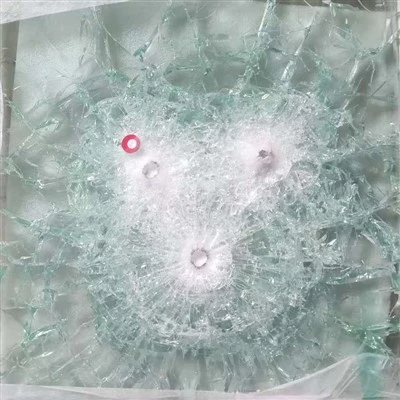
If you’re considering security upgrades for your commercial, institutional, or retail space and want to learn how architectural bulletproof glass can fit your needs, reach out to our team to set up a no-obligation consultation. We’ll walk through your space, review your concerns, and give you honest, tailored advice—no sales pitch, just real solutions that keep people safe and spaces working.
Bulletproof Glass for En1063 Standard References
National Institute of Justice. (2021). Ballistic Resistance of Body Armor and Building Materials. U.S. Department of Justice.
Architectural Security Association. (2022). 2022 State of Building Security: Risk Trends and Mitigation Strategies. ASA.
International Code Council. (2023). International Building Code Section 2010: Security Requirements for Commercial Structures. ICC.
Shaoxing Transparent Armoring Materials Co., Ltd.
As one of the most professional bulletproof glass for architecture manufacturers and suppliers in China, we’re featured by quality products and good service. Please rest assured to buy durable bulletproof glass for architecture made in China here from our factory. We also accept customized orders.
Address: No.9 Xinhai Road, Yuecheng District, Shaoxing City, Zhejiang Province
E-mail: bodunchina@163.com
WebSite: https://www.king-armor.com/
