As a supplier of conventional circular saw machines, I often encounter inquiries from customers about the versatility of our products. One common question is whether a conventional circular saw machine can be used for cutting Medium – Density Fiberboard (MDF). In this blog, I’ll delve into this topic, exploring the technical aspects, advantages, challenges, and best practices when using a conventional circular saw for MDF cutting. Conventional Circular Saw Machine
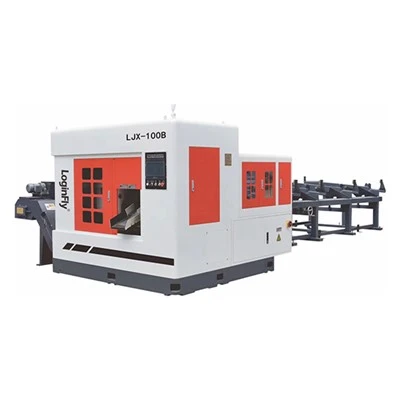
Technical Feasibility of Cutting MDF with a Conventional Circular Saw
MDF is an engineered wood product made by breaking down hardwood or softwood residuals into wood fibers, often in a defibrator, combining it with wax and a resin binder, and forming panels by applying high temperature and pressure. It has a smooth surface and uniform density, which in theory, makes it suitable for various cutting tools, including the conventional circular saw.
The structure of a conventional circular saw is designed to make straight cuts through a variety of materials. It consists of a motor that drives a circular blade at high speed. The blade’s teeth are configured to cut through the material as the saw moves along the cutting path. For MDF, the key lies in the proper combination of blade selection, saw speed, and feed rate.
Advantages of Using a Conventional Circular Saw for MDF Cutting
- Cost – effectiveness: Conventional circular saws are relatively affordable compared to specialized MDF cutting machines. This makes them an attractive option for small – scale woodworkers, DIY enthusiasts, or businesses with a limited budget. If you’re just starting out in working with MDF, investing in a circular saw is a more economical choice.
- Portability: These saws are generally lightweight and easy to transport. You can move them around the workshop or even take them to job sites. This portability allows you to cut MDF wherever you need it, whether it’s in a large workshop or a small outdoor project area.
- Versatility: Besides MDF, a conventional circular saw can be used to cut other materials such as plywood, particleboard, and softwoods. This means you can get more value from your investment, as the saw can be used for multiple projects and different types of materials.
Challenges of Cutting MDF with a Conventional Circular Saw
- Dust Generation: MDF cutting produces a significant amount of fine dust. This dust can be harmful if inhaled over a long period, and it can also accumulate in the saw’s motor and other sensitive parts, reducing its lifespan. Moreover, the dust can settle on the workshop floor and other surfaces, creating a messy work environment.
- Chipping and Splintering: Due to the structure of MDF, there is a risk of chipping and splintering along the cut edges. This is especially true when using a dull blade or improper cutting techniques. Chipped edges not only affect the appearance of the finished product but may also require additional sanding or finishing work.
- Blade Wear: MDF contains resin binders, which can cause more rapid wear on the saw blade compared to cutting natural wood. The abrasive nature of the resin can dull the blade teeth, leading to less efficient cutting and potentially poor – quality cuts.
Best Practices for Cutting MDF with a Conventional Circular Saw
Blade Selection
Choose a blade specifically designed for cutting MDF. A fine – tooth blade with a high tooth count (typically 60 – 80 teeth or more) is recommended. These blades create smoother cuts and reduce the risk of chipping. Additionally, blades with carbide – tipped teeth are more durable and can withstand the abrasive nature of MDF better than standard steel blades.
Dust Management
Invest in a good dust collection system. This can be as simple as attaching a vacuum cleaner to the saw’s dust port or using a more sophisticated dust collection unit. Proper dust management not only protects your health but also helps to keep the saw in good working condition.
Cutting Techniques
- Set the correct cutting depth. The blade should penetrate just below the thickness of the MDF. This reduces the amount of dust generated and decreases the risk of chipping on the underside of the material.
- Use a straightedge or guide to ensure straight cuts. Mark the cutting line accurately on the MDF and align the saw with the guide. This helps to maintain a clean and precise cut.
- Feed the MDF slowly and steadily through the saw. Rushing the cutting process can lead to uneven cuts, chipping, and increased blade wear.
Real – World Applications and Success Stories
I’ve had many customers who have successfully used our conventional circular saws for MDF cutting. For example, a small cabinet – making shop was looking for an affordable and reliable way to cut MDF for their cabinet interiors. By following the best practices mentioned above, they were able to achieve high – quality cuts with minimal chipping. This not only improved the appearance of their cabinets but also saved them time on finishing work.
Another DIY enthusiast used our circular saw to build a bookshelf from MDF. The portability of the saw allowed him to work in his small backyard workshop. With the right blade and cutting techniques, he was able to create straight and clean cuts, resulting in a well – constructed bookshelf.
Conclusion

In conclusion, a conventional circular saw can indeed be used for cutting MDF. While there are some challenges such as dust generation, chipping, and blade wear, these can be effectively managed through proper blade selection, dust management, and cutting techniques. The cost – effectiveness, portability, and versatility of conventional circular saws make them a viable option for both professionals and DIY enthusiasts working with MDF.
Circular Saw Machine If you’re interested in exploring how our conventional circular saw machines can meet your MDF cutting needs, I encourage you to get in touch with us for a detailed discussion. We can provide you with more information on our product range, offer guidance on blade selection, and share more success stories from our satisfied customers. Whether you’re a small – scale woodworker or a large – scale manufacturing business, we’re here to help you find the right solution for your MDF cutting projects.
References
- "Woodworking with MDF: A Comprehensive Guide", by Woodcraft Magazine
- "Circular Saw Operation and Maintenance Manual", in – house technical resources
Shanghai Loginfly Sawing Technology Co., Ltd.
As one of the most professional conventional circular saw machine manufacturers and suppliers in China, our products have good reputation in the market. We warmly welcome you to wholesale premium conventional circular saw machine from our factory. If you have any enquiry about cooperation, please feel free to email us.
Address: Room 506 NO.655 Yinxiang Road,Nanxiangtown,Jiading District, Shanghai.China
E-mail: sales01@loginfly.com
WebSite: https://www.loginflysaws.com/
