Hey there! I’m a supplier of Inline PV Connectors, and let me tell you, the world of these connectors is evolving at breakneck speed. In this blog, I’m gonna share with you the latest technological advancements in Inline PV Connectors. Inline PV Connector
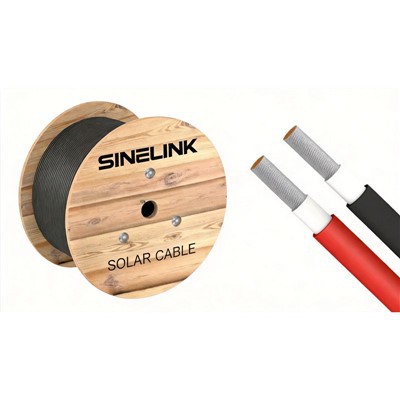
First off, let’s talk about what Inline PV Connectors are for those who might not be in the know. These connectors are crucial components in photovoltaic (PV) systems. They’re used to link solar panels together, allowing the flow of electricity from one panel to another. Without them, our solar power systems just wouldn’t work as they should.
One of the most significant advancements is the improvement in efficiency. In the past, there were some energy losses when electricity passed through the connectors. But nowadays, manufacturers have been working hard to reduce these losses. New materials are being used that have better conductivity. For example, some connectors are now made with high – purity copper alloys. These alloys have lower resistance compared to the traditional materials, which means less energy is wasted as heat. This is a huge deal because in a large – scale solar power plant, even a small reduction in energy loss can lead to significant savings in the long run.
Another cool advancement is in terms of safety features. Safety is always a top priority in PV systems, and Inline PV Connectors are no exception. Modern connectors come with enhanced insulation materials. These materials can withstand higher temperatures and are more resistant to environmental factors like moisture and UV radiation. Some connectors also have built – in arc fault protection. Arcing can be a serious problem in PV systems as it can cause fires. With this protection, if an arc is detected, the connector can automatically cut off the electrical flow, preventing any potential disasters.
The design of Inline PV Connectors has also seen some major changes. They’re now more compact and easier to install. In the old days, installing these connectors could be a real pain in the neck, especially in large solar farms. But now, thanks to new designs, they can be quickly and easily connected. Some connectors have a snap – on or push – in design, which eliminates the need for complex tools. This not only saves time but also reduces the chances of installation errors.
In addition, there’s been a big push towards standardization. In the past, different manufacturers had their own unique connector designs, which made it difficult for installers and system integrators. But now, there are international standards in place. These standards ensure that connectors from different manufacturers are compatible with each other. This is great news for the industry as it promotes competition and makes it easier for customers to choose the best connectors for their needs.
Let’s also touch on the environmental aspects. As we all know, the PV industry is all about clean energy, and the connectors are no exception. Many new Inline PV Connectors are made from recyclable materials. This means that at the end of their lifespan, they can be recycled and used to make new products. Some manufacturers are also focusing on reducing the environmental impact of their production processes. For example, they’re using more energy – efficient manufacturing methods and reducing waste.
Now, let’s get into some of the more high – tech stuff. There are new smart Inline PV Connectors on the market. These connectors are integrated with sensors and communication modules. The sensors can monitor various parameters such as temperature, voltage, and current. This data can be transmitted to a central monitoring system, allowing operators to keep an eye on the performance of the PV system in real – time. If there’s a problem with a particular connector or panel, the system can quickly detect it and send an alert. This helps in proactive maintenance and can prevent costly downtime.
Another interesting development is the use of wireless technology in Inline PV Connectors. Instead of using traditional wired connections for communication, some connectors can now communicate wirelessly. This not only simplifies the installation process but also makes it easier to expand the PV system in the future. Wireless connectors can be easily added or removed without having to worry about running new cables.
When it comes to durability, the latest Inline PV Connectors are built to last. They’re designed to withstand harsh weather conditions, including extreme temperatures, high winds, and heavy rain. The connectors are often made with corrosion – resistant materials, which means they won’t rust or degrade over time. This is important because PV systems are usually installed outdoors and need to be able to function properly for many years.
As a supplier, I’m really excited about these advancements. They offer so many benefits to our customers. Whether it’s increased efficiency, better safety, or easier installation, these new connectors are a game – changer in the PV industry.
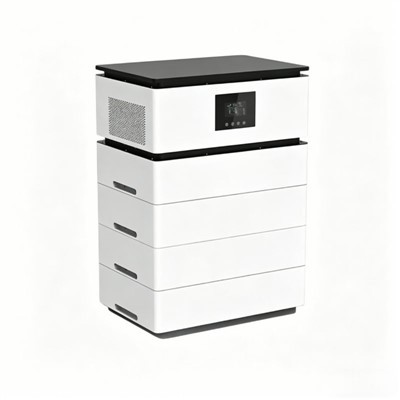
If you’re in the market for Inline PV Connectors, I’d love to have a chat with you. I can offer you the latest and greatest products in the market. Whether you’re working on a small residential solar project or a large – scale commercial installation, I’ve got the connectors that will meet your needs. Just reach out to me, and we can start discussing your requirements.
Residential Energy Storage System References
- Industry reports on PV technology advancements
- Technical papers on Inline PV Connector design and performance
- Manufacturer’s product brochures and specifications
Tianjin Xilingke New Energy Technology Co., Ltd.
Address: Suite 2601, Tower B, Wanghai International, Haihe East Road, Hebei District, Tianjin, China.
E-mail: robin@sinelinkev.com
WebSite: https://www.sinelinkenergy.com/
