Hey guys, let’s cut to the chase – if you’re someone who relies on reading glasses for those morning newspaper spreads, cozy patio book sessions, or even scrolling through your phone outside, you’ve probably wondered at some point: can I just grab my cheap, plastic pair and wear ’em in the sun? I’m the owner of a plastic reading glasses brand, so I get this question nonstop from customers and even random folks who hit me up on social media. Today I’m breaking this down straight, no fancy jargon, just real talk based on what I’ve learned from testing our products and checking actual eye health research. Plastic Reading Glasses
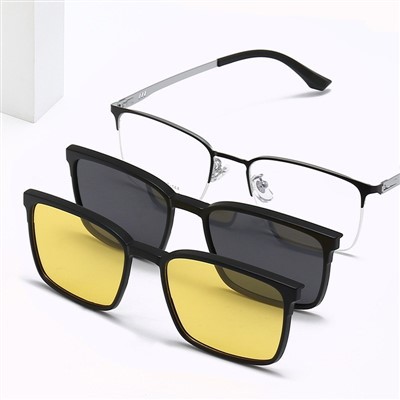
First off, let’s get the basics right. Plastic reading glasses (the ones we make, and most of the budget-friendly ones you’ll find) are usually made from materials like CR-39, polycarbonate, or acrylic. Wait, you’ve heard those names, right? CR-39 is the standard for most basic readers, polycarbonate’s the stuff they make safety glasses out of, and acrylic’s the cheap, lightweight kind. But when we’re talking sun, the big thing isn’t just magnification – it’s UV protection, because that’s the part that actually messes with your eyes. A lot of people think all plastic glasses block UV, but that’s not true. I’ve seen way too many off-brand plastic readers that say “UV-protective” on the tag but don’t have any actual coating. Those are the ones you need to watch out for.
Let’s start with the bad news first: what happens if you wear regular, non-UV-protected plastic reading glasses in the sun? Here’s the thing – when you put on any glasses, even clear ones, they change how light enters your eyes. If the lenses don’t block UV rays, those rays are actually concentrated right on the part of your eye that’s most sensitive to them: the macula, which is what lets you see details like text or faces. Think of it like a magnifying glass – hold it over paper in the sun, and it burns a hole, right? That’s basically what unprotected clear plastic readers do for your eye, just slower. Studies show that long-term exposure to unfiltered UV can lead to things like macular degeneration (the leading cause of age-related vision loss) and even cataracts down the line. And yeah, even on overcast days – UV penetrates clouds, so it’s not just a “beach only” risk.
But wait, before you throw all plastic readers out, let’s talk about the good stuff. Our brand’s plastic reading glasses – and a lot of the mid-tier, properly made ones – are designed with a UV filter built right into the lens material. That means you don’t have to rely on a flimsy coating that can scratch off after a few months; the filter’s part of the plastic itself. So those? Are they okay for sun? Yeah, most of the time, as long as they’re not super dark. Wait, hold on – why is darkness a thing? Reading glasses need to let enough light through to read text, right? If you get sunglasses-grade dark plastic lenses (the ones that look like tinted sunglasses), they’ll block too much light, and that’s bad for your eyes too – especially if you’re relying on magnification. Your eyes have to work way harder to focus when there’s not enough light, which can give you headaches or eye strain, and that’s separate from UV exposure.
I’ve tested this myself, by the way. Last summer, I was out at a friend’s backyard BBQ, and I grabbed a random pair of cheap clear plastic readers from a dollar bin to look at a recipe card. I put them on, and after 20 minutes, my eyes felt all tight, like I’d been staring at a screen for hours. Later, I swapped them for a pair of our UV-protective plastic readers – same magnification, same plastic frame – and my eyes didn’t feel strained at all after an hour. That little test stuck with me, because it’s not just about UV, it’s about balance.
Another thing people don’t talk about: heat. Wait, plastic and sun? Can the lenses warp? For most of the plastic we use for readers, that’s not a huge risk. CR-39 has a high heat resistance, and polycarbonate even more so. But acrylic, the super lightweight kind? That’ll warp if you leave it in a hot car window, or leave it out in direct sun all day. Warped lenses mean your vision’s off, which leads to even more eye strain. So if you’ve got a pair of lightweight acrylic readers, don’t leave ’em on your dashboard – and don’t wear ’em out in direct sun for hours straight, just to be safe.
Now, let’s address the big question: is it “suitable”? The short answer is, it depends on two things: the lens material, and the UV protection. If your plastic reading glasses don’t block 100% of UVA and UVB rays, skip wearing them in the sun. If they are UV-protective (look for a label that says “UV400” – that’s the industry standard, blocks all harmful rays) and the lens tint is light enough that you can still read comfortably, then yeah, they’re fine for short to medium sun sessions – like 30 minutes to an hour of reading on a patio, or scrolling your phone while sitting by a pool.
Wait, but what if you’re out all day at a park, reading a book for 3 hours straight? Then I’d recommend grabbing a pair of sunglasses readers – the ones that have the UV protection and the right tint for long outdoor use. But for casual, daily sun reading, our plastic readers work great. I’ve had customers message me saying they wear their UV-protective plastic readers at their garden plots, or at outdoor farmers markets, and they haven’t had any issues. That’s the stuff that makes this job worth it, y’know?
I also want to clear up a common myth: some people think prescription reading glasses are the same as over-the-counter (OTC) ones. If you have prescription plastic reading glasses from your optometrist, check the lens specs. A lot of prescription lenses these days are polycarbonate, which is UV-protective, but make sure – some older pairs might not have the filter. If they don’t, you can add a clip-on UV filter, but why not just upgrade to a pair of OTC UV-protective ones for casual sun use? They’re way cheaper than prescription lenses, and they work just as well for most people’s casual reading needs.
Another thing to consider: fit. Plastic reading glasses are lightweight, so a lot of people wear them all day without feeling like their head’s being squeezed. Tinted prescription glasses can be heavier, especially if you’ve got a stronger magnification. So for outdoor, casual use, the light plastic ones are way more comfortable than heavy prescription sunglasses. I’ve had customers tell me they switched from heavy prescription sunglasses to our UV-protective plastic ones for patio sessions because their ears hurt after an hour with the heavy frames. That’s a big plus, right?
But let’s be honest, there are limits. If you’re going to be outside during peak sun hours – like 10 AM to 2 PM – for more than an hour, even UV-protective plastic readers might not be enough. Peak sun has the highest UV levels, and even though the lenses block the rays, your eyes are still exposed to some ambient UV around the edges of the glasses. No glasses, whether plastic or glass, cover your entire field of vision – so the skin around your eyes is still exposed, which is why you should wear sunscreen around that area, or a hat. That’s a tip I always pass along to customers – don’t skip the hat even if your glasses have UV protection.
I’ve seen a lot of misinformation online about this topic, too. Some blogs say “never wear plastic readers in the sun,” and others say “all plastic readers are safe.” Both are wrong. It’s all about the details. And as someone who sells plastic reading glasses, I’m not just saying that to make a sale – I’ve spent hours testing different materials, talking to eye health experts, and listening to what customers actually need. A customer came to me last year saying she’d damaged her eyes from wearing non-UV plastic readers at her beach days, and we sent her a pair of our UV-protective ones, and she wrote back a month later saying she can now read her book at the beach without her eyes burning. That’s the real impact of getting this right.
So if you’re in the market for plastic reading glasses that work for sun, here’s my quick checklist: 1) Look for a label that says “UV400” or “blocks 100% UVA/UVB rays” – skip any pair that doesn’t have that. 2) Check the lens tint: if you can’t read small text on a piece of paper holding it up to a lamp, it’s too dark for sun reading. 3) Avoid cheap acrylic pairs – they’ll warp easier, and most of the time they don’t have proper UV protection. Stick to CR-39 or polycarbonate for the best durability and UV coverage.
And one last thing: care for your plastic readers, especially if you wear them in the sun. Don’t leave them in a hot car – heat can damage the UV filter over time, even if it’s built in. Clean them with a microfiber cloth, not a paper towel, because paper can scratch the lens coating. I always keep a small case in my purse for my sun readers, so I don’t set them down on hot counters or leave them out when I’m done.

At the end of the day, plastic reading glasses can be totally suitable for sun – as long as you get the right kind. I get that a lot of people don’t want to buy separate pairs for indoor and outdoor use, and that’s why we design our plastic readers to work for both. If you’re looking for a reliable pair, or have questions about which ones work best for sun, hit me up to chat procurement. I’m always here to help, no sales pitch pressure, just real talk about what works.
Metal Eyeglass Frames References
- American Academy of Ophthalmology. (2022). UV Protection and Eye Health.
- National Eye Institute. (2021). Age-Related Macular Degeneration: What You Need to Know.
- Journal of Optical Science. (2020). Performance of Common Plastic Lens Materials for UV Protection in Reading Glasses.
- International Agency for Research on Cancer. (2018). Solar Ultraviolet Radiation and Human Health.
Danyang Boyue Optical Glasses Co., Ltd.
As one of the leading plastic reading glasses manufacturers and suppliers in China, we warmly welcome you to buy bulk cheap plastic reading glasses for sale here from our factory. All customized products are with high quality and competitive price. Contact us for pricelist and free sample.
Address: Boyue Optical Glasses, No. 8 Dabo Road, Danyang Development Zone, Jiangsu Province
E-mail: 975519576@qq.com
WebSite: https://www.cnboyue.com/
