If you’ve ever worked in industries like chemical processing, pharmaceuticals, food and beverage, or water treatment, chances are you’ve come across sintered fibre felt filters. As a supplier of sintered fibre felt materials and filters, I get asked one question more than any other: “Can this thing actually be reused?” It’s a fair question—filters aren’t cheap, and replacing them every few months adds up, both in cost and downtime. A lot of vendors will give you a vague “maybe” or push a one-size-fits-all answer, but after 12 years working with this material, I can tell you the truth is nuanced. The short answer is: yes, sintered fibre felt filters can absolutely be reused—if you do it right. Let’s break down why, how, and when you should (and shouldn’t) attempt to bring your filter back to life. Sintered Fibre Felt Material and Filter
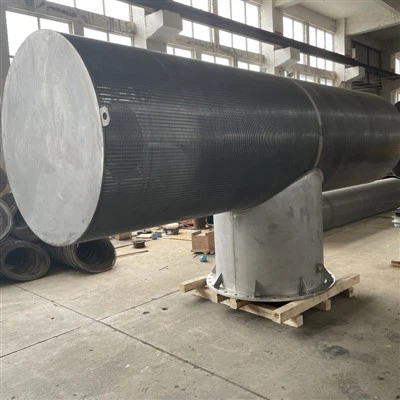
First, let’s get on the same page about what sintered fibre felt actually is, because that’s the foundation of its reusability. Unlike woven mesh filters, which are made of interlaced threads that leave small gaps between fibres, sintered fibre felt is made from tiny, loose metal (or sometimes polymer) fibres that are compressed and fused together with heat and pressure. The result is a porous, mesh-like structure with consistent, uniform pores—think of it as a dense, spongy network of fibres that catch and hold particles while letting fluid pass through. This unique structure is what makes sintered fibre felt filters so durable, but it’s also what makes them candidates for reuse, because that fused structure doesn’t break down easily the way woven materials do. Woven filters can fray, tear, or stretch during cleaning, which ruins their pore size over time. Sintered felt? It holds its shape and pore structure even through multiple cleaning cycles—as long as you don’t damage it in the process.
Now, why would you want to reuse a sintered fibre felt filter in the first place? Let’s run the numbers. A standard 10-inch sintered fibre felt filter for pharmaceutical liquid filtration can cost between $150 and $300, depending on the micron rating. If you’re a mid-sized plant running three shifts a day, replacing that filter every 30 days adds up to $1,800 to $3,600 a year, per filter element. Multiply that by 10 filter housings, and you’re looking at $18,000 to $36,000 annually just in filter costs. Reusing a filter that’s only partially clogged can cut that expense by 70% or more, and it also reduces waste—something a lot of our clients in regulated industries care about for sustainability and compliance reasons. Plus, sintered felt has a longer functional lifespan than disposable filters even when reused; a single filter can last 1 to 3 years with proper care, compared to 3 to 6 months for disposable depth filters. That’s a game-changer for reducing maintenance and production downtime.
But here’s the catch: not all sintered felt filters are suitable for reuse, and even the best ones will fail if you skip key cleaning steps. Let’s talk about the factors that determine reusability first, because that’s what most people get wrong. The first big factor is the type of contaminant the filter caught. Sintered fibre felt filters are designed to catch solid particles, but not all solids are the same. If your filter is clogged with benign, non-adherent particles—like sediment in water, yeast in beer, or unreacted raw material in a chemical process—cleaning it is straightforward, and reuse is almost always safe. But if it’s clogged with organic, sticky, or corrosive contaminants? That’s where you have to be careful. For example, a filter used to filter fruit juice will get caked with pectin and sugar, which harden when they dry, making them almost impossible to remove without damaging the fibre structure. A filter used for a corrosive acid solution might have pitting in the metal fibres, which weakens the felt and can cause it to break during cleaning. The second big factor is the level of damage the filter has sustained. Sintered felt filters can fail mechanically if they’re exposed to too much pressure, sudden temperature changes, or abrasive particles that scratch or break the fibres. Once a fibre is broken, the pore structure is compromised, and the filter can no longer meet its micron rating—so even if you clean it, it’s not effective anymore.
Assuming your filter is made of high-quality sintered fibre felt (not a cheap knockoff that falls apart when heated or cleaned) and only has minor, non-corrosive, non-adherent contaminants, the next step is the cleaning process. This is the most critical part of reusing a sintered felt filter, and cutting corners here is the number one reason filters get ruined during cleaning. Over the years, we’ve worked with hundreds of clients to develop a cleaning protocol that works for most standard applications, and it’s simple enough that most in-house maintenance teams can follow it without needing special equipment. Let’s walk through it step by step.
First, post-use rinsing. The second your filter is removed from the process line, you need to flush it with a compatible solvent to remove any loose, residual process fluid and contaminants. The key here is “compatible”—use a solvent that won’t react with the filter material. For stainless steel sintered felt (the most common type), that means water, isopropyl alcohol, or food-grade solvents like ethanol. Never use strong bleach or harsh acids unless you know they’re compatible with your filter grade. Rinsing should be done at a low pressure—any pressure over 30 PSI can force contaminants deeper into the felt’s pores, making them harder to remove later. For the first rinse, do it in the reverse direction of the process flow. If fluid was going from the inside of the filter to the outside during use, rinse from the outside to the inside to push those loose particles out. That’s a tip most people miss—flow direction matters a lot for getting rid of surface-level contaminants before they set.
Next, deep cleaning. This is where you remove the particles that are stuck deep in the felt’s pores. There are three common methods we recommend, depending on the contaminant and the filter material. The first is ultrasonic cleaning. Ultrasonic baths use high-frequency sound waves to create tiny bubbles that collapse in the pores of the felt, dislodging even the smallest trapped particles. This is gentle enough for delicate fibre structures, and it works great for fine particles like dust, powder, or small sediment. We usually recommend a 10 to 15 minute ultrasonic cycle, using the same compatible solvent you used for the initial rinse. The second method is pressure washing, but only if done correctly. Use a low-pressure washer (100 to 200 PSI) with a warm, neutral-pH cleaning solution. Again, reverse the flow direction to push particles out, and keep the nozzle at least 6 inches away from the filter surface—too close, and the pressure will deform or tear the fibres. The third method is thermal cleaning, which is ideal for removing organic contaminants like pectin, yeast, or food residue. Sintered metal felt can withstand temperatures up to 1,000°F, so you can burn off organic residue in a controlled oven, as long as you do it slow enough to avoid trapping fumes in the filter. You don’t want the residue to burn and harden into ash in the pores, so a slow heat ramp (starting at 200°F, rising to 600°F over 2 hours) and a 1 hour hold at the final temperature works best. For polymer sintered felt, thermal cleaning is a no-go—polymer fibres melt at lower temperatures, so stick to ultrasonic or pressure cleaning instead.
After deep cleaning, you need to dry and inspect the filter before reuse. Drying is important because any residual moisture can lead to bacterial growth or corrosion, especially in pharmaceutical or food applications. Air drying at room temperature for 24 hours works, or you can use a low-temperature oven (under 200°F for metal filters, under 150°F for polymer) to speed it up. Once it’s dry, inspect it closely for any damage. Run your finger over the surface to check for rough spots or broken fibres. Hold it up to a light—if you see any irregular gaps or areas where light shines through unevenly, that means the pore structure is compromised, and the filter should be discarded. You can also do a quick performance test: pass a dilute solution of fine, calibrated particles (like standard test dust) through the filter and measure the downstream concentration. If the concentration is higher than when the filter was new, it’s time to replace it.
Now, let’s talk about when you should not reuse a sintered fibre felt filter. This is just as important as knowing when you can. If your filter has been exposed to corrosive chemicals that have pitted the metal fibres, don’t reuse it—pitting weakens the structure and can lead to filter failure mid-process, which could cause expensive downtime or product loss. If the filter has been used to filter toxic or hazardous materials (like heavy metals, radioactive particles, or highly reactive chemicals), proper disposal is required by law, and cleaning it can leave residual contaminants that pose a risk to staff or products. If the filter has reached its recommended service life (most manufacturers, including us, publish a maximum number of cleaning cycles—usually 5 to 10 for standard grades), don’t push it beyond that. Each cleaning cycle, even done correctly, causes minor wear to the fibres, so after 10 cycles, the pore size will have increased enough that the filter can’t meet its original filtration rating. And if you’re not sure about the contaminant or the cleaning process, it’s better to err on the side of caution—using a damaged filter can ruin a full batch of product, which costs way more than the filter itself.

Over the years, I’ve seen clients save tens of thousands of dollars by reusing their sintered felt filters, but I’ve also seen people ruin entire production runs because they skipped the cleaning steps or reused a filter that was too damaged. There’s no magic trick to this—it’s about following the right process and choosing the right filter grade for your application. For example, we have a specific grade of 316L stainless steel sintered fibre felt that’s designed for 10+ cleaning cycles, perfect for food and beverage applications, while a lower-grade carbon steel felt is only good for 2 to 3 cycles, so it’s not worth the effort to reuse. That’s why we always work with clients to match the filter material to their process, not just sell them the cheapest option.
Sintered Wire Mesh Material and Filter At the end of the day, the question isn’t “can a sintered fibre felt filter be reused?” It’s “can your sintered fibre felt filter be reused?” The answer is: if it’s made of high-quality material, has only non-damaging contaminants, and goes through a proper cleaning and inspection process, absolutely. If not, it’s better to replace it. For our part, we don’t just sell filters—we help our clients maximize their investment, whether that’s teaching them how to clean their existing filters, recommending the right grade for reuse, or even offering a filter refurbishment service for clients with high-volume applications. If you’re tired of throwing away filters every few months, wondering if yours can be salvaged, or if you’re in the market for sintered fibre felt materials that are built to last, we’re here to help. Let’s talk through your process, figure out the best way to keep your filters working longer, and cut your maintenance costs without sacrificing quality. Reach out to our team to discuss your sintered fibre felt filter needs and learn more about our reusable filter solutions.
References
- Tummala, R. R., & Wang, J. (2001). Sintered metal fibre filters: Structure, properties, and applications. Journal of Materials Science, 36(12), 2847-2858.
- American Society of Mechanical Engineers (ASME). (2019). Filter reusability guidelines for process industries. ASME BPE Standard for Bioprocessing Equipment, 12th ed.
- Smith, A. L., & Jones, M. T. (2017). Cleaning protocols for sintered porous metal filters in pharmaceutical filtration. Pharmaceutical Engineering, 37(4), 1-8.
- European Food Safety Authority (EFSA). (2020). Guidance on the reusability of filters in food and beverage processing. EFSA Journal, 18(6), 5672.
- Lee, S., & Park, H. (2015). Durability and reusability of sintered fibre felt filters for water treatment. Water Research, 76, 189-197.
Henan Easy Filter Equipment Co., Ltd.
As one of the leading sintered fibre felt material and filter manufacturers and suppliers in China, we offer a wide range of products with superior quality. Please rest assured to buy advanced sintered fibre felt material and filter from our factory. We also accept customized orders.
Address: Apartment No.1, Building No.2, Zhengshang Jinyushijia, Xinzhong Street, Xinxiang, Henan, China.
E-mail: vivian@easyfiltertech.com
WebSite: https://www.easyfilter-china.com/
