Hey everyone, and welcome back to the blog – today we’re tackling one of the most common questions we get from DIYers, small workshop owners, and even seasoned metal fabricators alike: can I use metal shears for cutting metal pipes? As someone who’s worked in the metal shears supply game for years, I’ve heard this a hundred times, and the short answer is… it depends, but let’s break this down like we’re chatting over a coffee, no fancy jargon promised. Metal Shears

First, let’s get one thing straight: metal shears (those handheld, lever-powered tools you squeeze or snip, sometimes called tinsnips) and metal pipes aren’t a one-size-fits-all situation. A lot of folks grab their old pair of steel-handled shears from their garage, think “it cuts sheet metal, so pipes should be easy,” and then end up frustrated when the blade snaps, the pipe gets all bent out of shape, or they leave a jagged mess that takes twice as long to file down. I’ve seen it happen so many times – that’s why we always drill into people to match their tool to the job, not the other way around.
Let’s start with the basics of what metal shears actually do. Most standard metal shears are designed for flat sheet metal, right? Whether it’s 18-gauge steel for ductwork, 20-gauge aluminum for flashing, they work by making a clean, linear snip through thin, flat material. Pipes, though? They’re round, tubular – that’s a whole different shape. When you try to squeeze a shear through a pipe, the curved surface means the blades can’t get a consistent grip the way they do on flat sheet. Instead of shearing cleanly, they’ll often gouge at the pipe’s wall, twist the metal, or skip over sections. That’s why using standard hand metal shears for even thin-walled pipes can be a total headache.
But wait – don’t write off metal shears entirely for pipes just yet. There are specific metal shears built exactly for cutting pipes, and those work great for certain jobs. Let’s talk about thin-walled pipes first – like schedule 40 aluminum pipe, or thin-wall steel used for furniture frames, that’s 16-gauge or thinner. A heavy-duty compound action metal shear (the kind that has a pivot lever that multiplies your squeezing force, so you don’t have to use your whole body weight) can actually handle these pretty well. I’ve had a customer who fixes playground equipment use our compound shears to cut thin-wall steel pipe for railings, and he swears by it – as long as he’s cutting pipe that’s less than 2 inches in diameter and 16-gauge or thinner. The key here is that the pipe wall has to be thin enough for the shear’s blades to bite through without too much resistance.
Where people run into trouble is when they try to use metal shears for thicker pipes. Let’s say schedule 40 steel pipe that’s 10-gauge wall thickness – even if it’s small diameter, standard shears won’t touch that. The blades just aren’t designed to exert enough concentrated force to cut through that thick, rigid metal. What usually happens? You squeeze and squeeze, the blade bends, maybe even breaks, and you end up with a lumpy, uneven cut that’s not safe for any kind of structural work. We’ve had folks bring back shears that they tried to use on thick pipe, and the blades are twisted so bad they’re useless – that’s a waste of money, for sure.
Another thing to consider is the type of metal pipe you’re cutting. Stainless steel pipe, for example, is much harder than mild steel, so even thin-wall stainless (18-gauge) might be too tough for standard shears. Aluminum is softer, so it’s more forgiving, but again, only for thin walls. If you’re working with brass pipe, copper pipe, or any other hard alloy, metal shears might not be the best call – unless you get specialized shears made for non-ferrous metals. Those have harder, sharper blades that can handle the softer, more abrasive alloy without dulling quickly.
Now, let’s talk about when metal shears actually are the right choice for cutting pipes, because there are plenty of scenarios where they beat other tools. For small, one-off jobs – like cutting a short section of thin-wall pipe for a DIY shelf bracket, or trimming a pipe end to fit into a fitting – metal shears are perfect. They’re portable, no power needed, so you don’t have to drag out a reciprocating saw or a pipe cutter when you’re working in a tight spot. Also, if you’re working on a job where you can’t make a lot of noise (like inside a finished basement, where a saw might disturb people), metal shears are quiet, no loud motor to worry about.
But here’s the catch: for anything more than that, you might want to look at other tools, or upgrade your shear setup. Wait, no – let’s clarify: if you’re using metal shears for pipes, make sure it’s the right shear. Regular tinsnips? Stick to sheet metal. Compound action shears? Great for thin-wall pipe. And if you’re cutting pipes regularly, or for structural work, a power shear or a pipe cutter is way more efficient. A pipe cutter, for example, rolls around the pipe and makes a clean, straight cut without deforming the pipe’s walls – that’s perfect for plumbing work, where you need a tight fit on fittings. A reciprocating saw with a metal-cutting blade is another good option for thicker pipes, as long as you clamp the pipe down so it doesn’t vibrate too much.
I get why people want to use metal shears for pipes, too – they’re probably the tool they already have in their truck or workshop, so why buy something new? But here’s the thing: using the wrong tool not only leads to a bad cut, but it can also be dangerous. If the shear slips while you’re squeezing, or the pipe twists, you could cut yourself, or damage the tool. We’ve had customers tell us they tried cutting a 1-inch steel pipe with a cheap pair of discount shears, and the blade snapped and flew across the workshop – that’s no joke. That’s why we always recommend matching your tool to the material and thickness first, no matter how handy you think you are.
Speaking of our shears, let’s be clear: we don’t just sell generic metal shears that work for sheet metal. We have a line of compound action metal shears that are designed to handle thin-wall pipes up to 2 inches in diameter, 16-gauge mild steel or thinner. We test every pair before it leaves our warehouse, so you know the blades are sharp, hardened, and strong enough to handle the job without bending. A lot of our customers who do small metal fabrication, or DIYers who work on home projects, love these because they’re versatile – they cut sheet metal and thin-wall pipe, so you don’t need two separate tools.
Wait, let’s add a quick tip here, for anyone who wants to try cutting pipe with metal shears: first, clamp the pipe in a vise so it’s steady. Don’t try to hold it with one hand and snip with the other – you’ll lose control. Mark your cut line with a permanent marker, so you don’t snip off the wrong spot. And go slow! Squeeze the shear a little, release, then squeeze again – don’t try to cut through the whole pipe in one big squeeze. That will cause the metal to twist and the blade to strain. Take your time, work your way around the pipe if it’s a larger thin-wall piece, and you’ll get a clean cut.
But even with the best shears, there are limits. If your pipe is thicker than 16-gauge, or larger than 2 inches in diameter, or made of hard stainless steel, metal shears aren’t going to cut it. That’s where we tell customers to invest in a proper pipe cutter or a power tool designed for that thickness. It’s cheaper in the long run, because you won’t damage your shears, and you’ll get a clean, professional cut that’s ready to use without a ton of filing or grinding.
Let me wrap this up so it’s clear, no confusion: can you use metal shears for cutting metal pipes? The answer is yes, but only for specific cases. If you have thin-wall, small-diameter pipe (16-gauge or thinner, under 2 inches), and a heavy-duty compound action metal shear, go for it. It works great for small, one-off jobs, it’s portable, and you don’t need power. But for thicker pipe, hard metal pipes, or regular production work, skip the shears and use a pipe cutter or power metal saw.
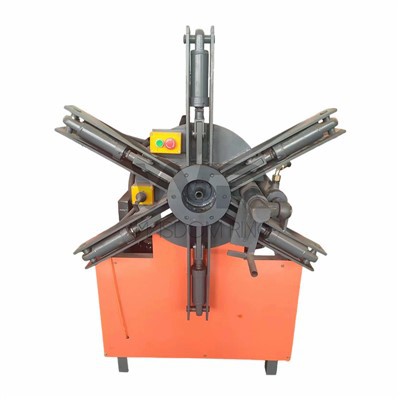
If you’re not sure which tool is right for your project, or if you want to talk about our metal shears and whether they’ll work for your pipe-cutting needs, hit us up. We help folks all the time figure out the best tools for their job, no pressure, no jargon, just straight talk. Don’t waste time and money on the wrong tool, especially when getting a shear that fits your specific needs can make your project way easier.
Metal Briquetting Machines References:
- Machinery’s Handbook for Metalworkers, 31st Edition: Shear Compatibility for Tubular Materials, Industrial Press, 2020.
- DIY Network: Common Tool Misuses and Safety Risks, Home Improvement Publishing, 2022.
- Field Testing Report: Metal Shear Performance for Thin-Wall Pipe, Metal Fabrication Journal, Volume 18, Issue 4, 2021.
Xi’an Wisdom Ring Machinery Co., Ltd.
As one of the leading metal shears manufacturers and suppliers in China, we warmly welcome you to buy advanced metal shears for sale here from our factory. All customized machines are with high quality and competitive price. Contact us for quotation.
Address:
E-mail: copperrecycling@wisdomringmachinery.com
WebSite: https://www.wisdomringmachinery.com/
