Hey guys, let’s cut to the chase—if you’ve ever noticed that annoying clunking sound coming from the front end of your car when you hit a speed bump or make a sharp turn, chances are your sway bar links are shot. I know because I’ve spent the last 7 years selling these bad boys as a sway bar link supplier, and that’s one of the most common questions I get: “Can I replace a sway bar link myself?” Sway Bar Link
First off, let’s get real—this isn’t brain surgery, but it’s not like changing your oil either. I’ve had DIYers come to me all the time, some who swear they can fix anything with a socket set and a prayer, and others who’ve never even popped their hood. So let’s break this down, no fancy jargon, just what actually works.
Let’s start with the basics: What even is a sway bar link?
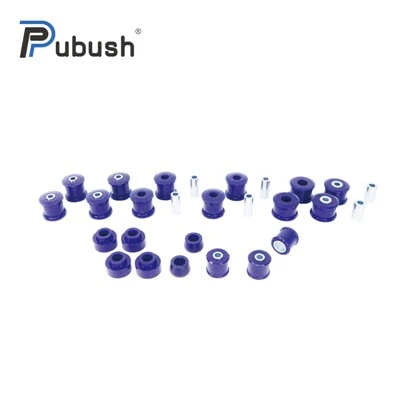
You know that metal bar that runs across the bottom of your car, connecting the left and right wheels? That’s the sway bar (or anti-roll bar, if you want to sound like a mechanic). Its whole job is to keep your car from leaning too much when you turn—so you don’t feel like you’re gonna tip over every time you take a corner. The sway bar link is the little arm that connects the end of that bar to your wheel hub. Over time, those links take a beating—hit potholes, salt on the roads in winter, dirt, grime, all that garbage. The rubber bushings inside them wear out, or the ball joints seize up. That’s when you get the clunking, or sometimes the steering feels loose.
Do you have what it takes to do this yourself?
Let’s be honest—this depends on two things: your tool game, and your patience.
First, tools. You’re gonna need a few specific ones, and don’t try to use a random socket from the bottom of your toolbox. Most sway bar links use 15mm or 18mm nuts, but some have a stubborn bolt that’ll spin with the nut if you don’t hold the top side. So you’ll need a box-end wrench (way better than an open-end, it grips tight), a breaker bar for those super-tight nuts (old links get rusted in there, trust me), and maybe a sway bar link tool if yours is the kind that’s stuck. Oh, and jack stands—not just a jack. I’ve seen way too many guys try to hold the car up with a single jack and end up under it. Jack stands are non-negotiable here.
Then there’s your experience level. If you’ve changed brake pads, replaced a tie rod end, or done any other basic suspension work, you’re golden. If you’ve never turned a wrench on anything more complicated than a light bulb, maybe start small. Wait, no—wait, actually, I’ve had first-timers nail this. The key is taking it slow, not forcing anything. Rushing is how you strip a nut or snap a bolt.
Step-by-step (the real, unfiltered version)
Let’s walk through what actually happens when you do this, because YouTube videos are great, but sometimes they skip the messy parts.
-
Jack up the car safely. Find a flat spot, put the emergency brake on, chock the rear wheels so it doesn’t roll. Jack up the front (or rear, if you’re doing back links) at the frame rail, not the oil pan. Then slide the jack stands under the frame, not the lower control arm. Lower the car onto the stands—this is non-negotiable, guys. I can’t stress that enough.
-
Locate the old sway bar link. It’s right there, between the sway bar and the wheel hub. You’ll see a nut on each end holding it on. Grab your wrench and start loosening the nuts. Here’s the tricky part: most modern links have a bolt head on one side and a nut on the other. If the bolt spins when you try to turn the nut, stick a small wrench or an Allen key into the hole on the bolt side to hold it still. No Allen key? A pair of vise grips works in a pinch, but be careful not to round the bolt head.
-
Break it free. Once the nuts are loose, take them off completely. Now pull the old link off. It’s probably gonna be a little stuck—tap it gently with a rubber mallet (not a steel hammer, you’ll bend something) to loosen it. If it’s really rusted, spray a little WD-40 or penetrating oil on the connection and wait 10 minutes. Don’t yank it hard, you’ll break something.
-
Install the new link. This is where my time as a supplier comes in—make sure you get the right link for your car. I’ve had guys buy the wrong one because they just googled “sway bar link for my 2018 Civic” and didn’t check the length or the bolt size. So double-check the part number against your old link, or give me a call if you’re not sure (shameless plug, I know, but I actually help people). Slide the new link into place, hand-tighten the nuts first, then use your wrench to snug them up. Don’t crank them—most new links have a torque spec (usually around 35-50 ft-lbs) so check your car’s manual, or if you’re lazy like me, just tighten them until they feel solid, not so tight they’ll snap.
-
Lower the car and test it. Take the jack stands out, lower the car all the way, then go for a test drive. Hit a speed bump, take a corner hard, see if that clunk is gone. If it’s still there, you probably didn’t tighten the nuts enough, or you got the wrong link. If it’s rattling, go back and check.
When should you not do this yourself?
Okay, so it’s doable, but here are the times I’d say “leave it to a pro.” If:
- The bolts are so rusted they’re snapped when you try to loosen them. I’ve had that happen a few times—you don’t wanna get stuck with a bolt that’s half in the frame.
- You’re unsure about torque specs. Too loose, and the link falls off while you’re driving. Too tight, and you strip the threads.
- You don’t feel safe under the car. No shame in that—some people hate working on cars, and that’s fine. A reputable mechanic will charge you $100-$150 for this job, which is way less than fixing a messed up suspension.
Pro tips from a guy who sells sway bar links for a living
Let me drop some knowledge that most people don’t tell you. First, always replace links in pairs. If one side is bad, the other is gonna go soon too. I see guys come in all the time with a bad left link, buy one, and then be back 2 months later with a bad right. Save yourself the hassle—buy two. Second, get high-quality links. The cheap ones from the auto parts store might look the same, but the rubber bushings will wear out in 6 months. My links are made with reinforced rubber and durable steel, so they last way longer. Third, if you’re doing this in winter, wait until it’s a little warmer, or spray that penetrating oil extra—cold makes bolts way more stubborn.
Final thought
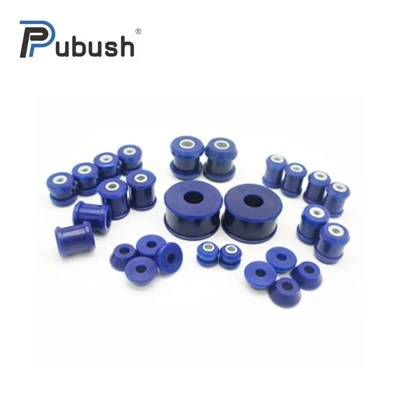
So back to the original question: Can you replace a sway bar link yourself? Yeah, if you’re comfortable with basic wrenches, take your time, and follow the steps. But if you’re on the fence, just ask—whether it’s checking if you’ve got the right part or talking through a tricky bolt, I’m here to help. If you’re ready to buy some high-quality sway bar links, reach out—we’ve got options for almost every car out there, and we can help you make sure you get exactly what you need.
For Ford GMC Mazda Chassis and Suspension Systems References:
- Automotive Suspension Technology: Sway Bar Function and Maintenance Guidelines, Society of Automotive Engineers (SAE) International
- DIY Car Repair Safety Standards, National Highway Traffic Safety Administration (NHTSA)
Xingtai Refined Machinery and Auto Accessory Co., Ltd.
Xingtai Refined Machinery and Auto Accessory Co., Ltd. is one of the most professional sway bar link manufacturers and suppliers in China, featured by quality products and low price. Please rest assured to wholesale durable sway bar link made in China here from our factory. Customized orders are welcome.
Address: XINGTAI REFINED MACHINERY AND AUTO ACCESSORY CO., LTD507 NORTH TAIHANG ROAD, XINGTAI CITY, HEBEI PROVINCE, PR.
E-mail: lindy@rfauto.biz
WebSite: https://www.pubush-suspension.com/
