As a circuit breaker box supplier, I get a lot of questions from electricians, residential builders, and even homeowners who want to know why their breaker boxes seem to act differently depending on the time of year. Last month alone, three different customers called to say their breakers were tripping more often during summer, and two others mentioned that cold winter weather made some breakers feel sluggish or hard to reset. It’s not just a random complaint—temperature has a real, measurable effect on how a circuit breaker box works, and understanding that effect is key to both choosing the right unit and maintaining it properly. Circuit Breaker Box

First, let’s break down what a circuit breaker box does, because that context makes the temperature connection easier to follow. A breaker box (sometimes called a load center or distribution panel) acts like the main hub for your home or business’s electrical system. It receives power from the utility grid, splits it into individual circuits for lights, outlets, appliances, and HVAC equipment, and includes circuit breakers that act as safety switches: if a circuit draws too much current (overloads) or has a short circuit, the breaker trips instantly to cut power and prevent overheating, which can cause fires. Every breaker inside the box relies on specific components—bimetallic strips, electromagnets, and insulating materials—to do its job, and each of these parts reacts to temperature changes differently.
Let’s start with the most common issue most people notice: summer heat affecting tripping rates. In hot weather, two things are happening at once. First, the ambient temperature around the breaker box goes up. If your box is installed in an uninsulated garage, an attic, or even a closet with poor airflow, that ambient heat seeps into the box and warms up the internal components. The bimetallic strip, which is the part that handles overload protection, is made of two different metals fused together. When current flows through the strip, it heats up, and the two metals expand at different rates, causing the strip to bend and trip the breaker if it gets too hot. If the surrounding temperature is already high, the strip heats up faster, and it bends even at lower current levels than it would in cool weather. That means breakers that should carry 15 or 20 amps might trip at 12 or 13 amps in 90-degree heat, leading to nuisance tripping that feels like a problem with the breaker instead of the temperature.
Summer heat also has another, less obvious effect: it can weaken the insulating materials inside the breaker box and the breakers themselves. Most modern breaker boxes use thermoplastics and thermosetting polymers for the housing, wire insulation, and internal components. These materials are designed to withstand a specific range of temperatures, usually between -40°F and 140°F, but prolonged exposure to extreme heat (above 100°F for weeks or months) causes them to break down over time. The plastic becomes brittle, and the insulation around the copper wires inside the box starts to degrade, which can lead to small, unexpected electrical leaks. That leaky current can make breakers trip when there’s no actual overload, or in some cases, it can add enough extra heat to the box to create a fire risk.
On the flip side, cold winter weather brings its own set of challenges. I heard from a customer last winter who installed a new breaker box in a detached garage, and he said his well pump breaker wouldn’t stay reset until he heated the box with a small space heater for 20 minutes. That’s because cold temperatures affect both the bimetallic strip and the electromagnet in the breaker. The electromagnet, which handles short circuit protection, generates a magnetic field when current flows through it. In cold weather, the metal of the electromagnet becomes denser, and its magnetic conductivity increases. That might sound like a good thing, but it’s not—an overly strong magnetic field can trip the breaker even during normal current flow, especially when the breaker is cold. For breakers that are already at the end of their lifespan, cold can make this problem worse, leading to random tripping that makes no sense until you account for the temperature.
Cold also affects the metal parts of the breaker box and the main bus bars, which are the thick copper bars that distribute power to all the breakers. Metal contracts when it gets cold, and if the box is installed in a space that drops below freezing, the bus bars can shrink slightly, which loosens the connections between the breakers and the bars. Loose connections are a major fire hazard on their own, but cold makes the problem worse: when the metal warms up again during the day, it expands, and then when it cools down at night, it contracts again. That repeated expansion and contraction can cause the connections to wear out faster over time, leading to arcing—small electrical sparks between the loose parts—that can damage the breakers and the box.
A lot of customers ask me if there’s a “right” temperature range for a breaker box, and the answer is that it depends on the type of box and the breakers inside, but generally, the ideal ambient temperature is between 50°F and 85°F. That’s why most breaker boxes are designed to be installed in indoor, climate-controlled spaces whenever possible, but we all know that’s not always an option—garages, attics, and outdoor utility closets are common, and those spaces can swing from below zero in winter to over 100°F in summer. For that reason, as a supplier, I make sure all the breaker boxes we offer are rated for extreme temperatures, with high-quality insulation and breakers calibrated to handle small shifts in temperature. But there are steps that even homeowners can take to minimize the effects of temperature, no matter where the box is installed.
First, make sure the breaker box has proper airflow. A lot of people stuff their utility closet full of cleaning supplies, holiday boxes, or old tools, which blocks the vents on the box and traps heat in summer, or can leave it exposed to cold drafts in winter. Even a few inches of space around the sides and top of the box is enough to let air circulate, preventing extreme internal temperature swings. If the box is in an attic or garage, adding a small, low-voltage fan near the box can help move air through it, reducing summer heat buildup. For cold climates, insulating the walls around the box (without covering the vents) or adding a small, thermostatically controlled heater that turns on when the temperature drops below 32°F can prevent those contraction issues with bus bars.
Another common mistake people make is replacing old breakers with generic ones that aren’t matched to their box. Older homes often have breaker boxes that were installed 20 or 30 years ago, and the breakers from that era are calibrated to work with the box’s internal design, which includes its own temperature tolerances. If you swap a 15-amp breaker for a generic one from a big-box store that’s designed for a modern box, it might not be calibrated to match your existing box’s temperature range, leading to tripping issues. That’s why, as a supplier, we always recommend that customers use breakers that are specifically rated for their box brand and model—we stock breakers for all major load center brands, and our team can help you confirm which ones work for your setup.
It’s also important to have the breaker box inspected regularly, especially before extreme seasons. A licensed electrician can test the internal temperature of the box during peak summer and winter, check for loose connections, and make sure the breakers are tripping at the correct amperage. I had a customer last year who thought his breakers were just bad, but an inspection revealed that his box was installed too close to a water heater, which was adding extra heat to the box in summer. Moving the box a few feet away fixed the nuisance tripping, and we were able to replace two older breakers with temperature-rated ones to handle the remaining heat.
One question I get asked a lot is whether temperature can cause a breaker box to fail entirely, not just trip. The short answer is yes, over time. If a breaker box is exposed to extreme temperatures year after year, the insulation can degrade to the point where it cracks or melts, leading to electrical shorts inside the box. Those shorts can cause the box to overheat, which can start a fire—this is one of the leading causes of electrical fires in homes in hot climates, according to the National Fire Protection Association. Cold temperatures can cause the metal parts to corrode over time, especially if the box is installed in a damp outdoor space, leading to rust that weakens the bus bars and breakers, making them more likely to fail when you need them most.
For businesses, the stakes are even higher. A commercial breaker box that trips repeatedly during a summer heatwave can close down a store, delay warehouse operations, or even disrupt medical equipment in a clinic. That’s why many commercial customers choose heavy-duty breaker boxes that are rated for consistent high or low temperatures, and we work with them to design installation setups that reduce temperature fluctuations, like adding ventilation or climate-controlled enclosures.
If you’re noticing that your breakers trip more often in summer, or feel sluggish in cold weather, don’t ignore it. It’s not just an inconvenience—it’s a sign that your breaker box is reacting to temperature, and that small steps can prevent bigger problems down the line. If you’re not sure whether your box is rated for your local climate, or you need help choosing breakers that will work with your setup, don’t hesitate to reach out. Our team has years of experience working with residential and commercial customers, and we can help you find the right solution for your needs.
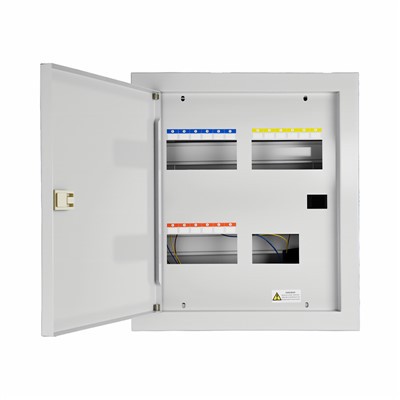
If you’re a builder, electrician, or homeowner in need of a new breaker box or replacement breakers, we’re here to help you select products that are calibrated to handle your local temperature conditions, with the safety and reliability your property needs. Contact our team today to discuss your requirements, and we’ll walk you through the best options for your space.
ES Rittal Cabinet References
- National Fire Protection Association. (2022). Electrical Fires in Residential Buildings. NFPA 70: National Electrical Code.
- IEEE Standards Association. (2019). Standard for Low-Voltage Circuit Breakers for Industrial and Commercial Applications. IEEE Std C37.13.
- Underwriters Laboratories. (2021). Standard for Safety for Load Centers (Circuit Breaker Boxes). UL 867.
- Occupational Safety and Health Administration. (2020). Electrical Safety: Temperature Effects on Electrical Components. OSHA 1910.303.
Shandong Qinghua Yike Electric Co., Ltd.
As one of the most experienced circuit breaker box manufacturers in China, we also support customized service. We warmly welcome you to buy durable circuit breaker box for sale here from our factory. If you have any enquiry about cooperation, please feel free to email us.
Address: No. 378 Taozhuang Village, Zaoyuan Town, Lanshan District, Linyi City, Shandong Province
E-mail: admin@sd-qhyk.com
WebSite: https://www.qhecobox.com/
