If you’ve ever held a product that feels both flexible and durable—say, a pair of athletic shoes that bend with your stride, a phone case that doesn’t crack when it slips, or even a medical implant that moves with your body—chances are you’ve interacted with transparent TPU film, even if you didn’t know its name. For over a decade, I’ve worked as a TPU film supplier, walking factories, collaborating with engineers, and answering the same question dozens of times a week: “What is this stuff actually used for?” It’s not just another plastic sheet; it’s a material that solves specific, messy problems that other materials—PVC, polycarbonate, even glass—can’t touch. Let’s break down its real-world uses, why it works, and why our customers keep coming back. TPU Film

First, let’s start with the basics to clear up confusion. Transparent TPU (Thermoplastic Polyurethane) film is a thermoplastic elastomer, meaning it’s elastic like rubber but moldable and processable like plastic. Unlike many plastics, it doesn’t degrade when stretched, doesn’t yellow over time, and has excellent clarity—up to 92% light transmission, comparable to clear glass, with none of the brittleness. That combination of traits is why it’s a workhorse across industries, not just a niche product.
One of the biggest sectors for transparent TPU film is footwear, and it’s where I first saw its impact firsthand. When sneakers became more than just functional gear and turned into performance tools and fashion staples, brands needed a material that could do two things: protect the upper from scuffs and debris, and stretch with the foot during movement. Years ago, we supplied film to a small athletic brand testing a “clear toe cap” for running shoes; before that, most clear protective layers were made of rigid PVC, which cracked after just a few hundred steps or turned yellow in the sun. The TPU film stretched with the toe box, resisted scuffs from asphalt or gym floors, and stayed clear for the life of the shoe. Now, that use is standard: you’ll see it on the toe caps of Nike’s Air Max line, Adidas’ Ultraboost, and even budget-friendly casual sneakers, not just high-end performance models. It’s also used in the transparent side panels of some running shoes, letting manufacturers add structural support without adding weight or sacrificing the flexibility that makes running shoes comfortable.
Next, medical devices—this is a sector where transparency and biocompatibility are non-negotiable, and transparent TPU fits perfectly. Unlike PVC, which often contains phthalates (chemicals that can leach into bodily fluids), medical-grade TPU is USP Class VI certified, meaning it’s safe for contact with skin, tissue, and even short-term implant use. I’ve worked with a team developing a new type of wound dressing: instead of sticky, opaque adhesive bandages that trap moisture and slow healing, they use a thin layer of transparent TPU film. The film is breathable, letting oxygen pass through to the wound bed, while keeping out bacteria and water. It’s also flexible, so it moves with joints—no more pulling a bandage off when you bend your knee or elbow. Beyond dressings, TPU film is used in catheters, where its clarity lets clinicians see the tip position during insertion, and in orthodontic aligners (clear braces) from brands like Invisalign. Those aligners are made from a thin, specific TPU film that’s rigid enough to apply gentle pressure to move teeth, but flexible enough to be comfortable for 22 hours a day, easy to clean, and clear enough that almost no one notices you’re wearing them. It’s a far cry from the metal braces of the past, and TPU film is the unsung material that makes it possible.
Consumer electronics is another huge market, driven by the demand for protection that doesn’t ruin design. Phones, tablets, and smartwatches need layers that are scratch-resistant, shatterproof, and see-through, and TPU is a key component here. For phone screen protectors, for example, tempered glass is the go-to for many consumers, but it cracks easily if dropped on a corner, and it’s rigid—if your phone bends in your pocket (a rare but not unheard of issue), glass can splinter. TPU screen protectors, by contrast, are flexible, absorb impact, and won’t shatter; when a phone slips out of your hand, the TPU film acts as a cushion, spreading the force of the fall across the screen instead of letting it hit directly. We also supply TPU film to manufacturers of clear phone cases: some hard cases use polycarbonate, which yellows after six months of exposure to UV light, but TPU is UV-stabilized, so a clear TPU case stays clear, not yellow, for years. That’s a big selling point for consumers who want to show off their phone’s design without the case ruining it. Even foldable smartphones rely on TPU film: the “protective layer” on the foldable screen is a thin, specially formulated TPU film that can bend thousands of times without creasing—something glass can’t do, and even flexible plastics can’t match for durability.
Then there’s automotive interiors, a space where style and function collide. Car manufacturers are moving away from heavy, opaque plastic parts to lighter, more premium-looking materials, and transparent TPU is a big part of that shift. Many modern cars have transparent TPU film on the center console, door panels, and dashboard to protect against scratches from keys, phone screens, or groceries. Unlike vinyl wraps, which can bubble or peel, TPU film is adhesive-backed, lays flat, and is resistant to oil, fuel, and UV rays. It’s also used in sunroofs and panoramic roof panels: traditional glass sunroofs are heavy, and if they crack, they shatter into sharp pieces. TPU film is lighter, more impact-resistant (a small rock won’t crack it), and can be laminated with other materials to add strength, making it a safer alternative for some vehicle roof applications. I remember working with a European car brand a few years back; they were testing a TPU roof for their compact electric car to reduce weight and extend battery range, and the film performed flawlessly on test drives, resisting hailstones and debris. It’s not yet standard for all cars, but it’s gaining traction as automakers prioritize lightweight, durable, and customizable interior and exterior parts.
Outdoor gear is another area where transparent TPU shines, solving problems that stiffer materials can’t. Hiking boots, for example, use TPU film in their “mono sheets”—thin layers that add structural support to the boot’s upper without making it stiff. The film is waterproof, flexible enough to let the foot move, and transparent, so manufacturers can add logos or designs without hiding the material. It’s also used in rain jackets: some waterproof-breathable jackets use TPU film as part of the membrane layer, letting water vapor escape from sweat while keeping rain out. Unlike older nylon membranes that can tear easily, TPU film is more resistant to abrasion, so a jacket will last longer through backcountry trips and everyday wear. We also supply TPU film to tent manufacturers, who use it in window panels because it’s clearer than vinyl, more durable than nylon, and doesn’t fog up as easily in cold weather. I’ve heard from a camping gear retailer that their customers specifically ask for tents with TPU windows, because you can stargaze from your sleeping bag without peeling back a flap, and the windows don’t scratch easily when setting up camp.
Now, I want to be clear: not all transparent TPU film is the same. When I talk to new customers, the first thing I emphasize is that our film isn’t a one-size-fits-all product. A TPU film for a medical aligner is formulated differently than one for a phone case, because it needs to be biocompatible, not just clear. A TPU film for a running shoe toe cap needs to stretch 300% without breaking, while a film for a sunroof needs to be impact-resistant enough to withstand high-speed rock hits. That’s why we work closely with each customer: we test their specific application, adjust the film’s thickness, clarity, elasticity, and additives (like UV stabilizers or anti-bacterial agents) to fit their needs. For example, a few months back, a medical startup came to us with a prototype for a transparent catheter that needed to resist fogging during use. We added a small anti-fog additive to our standard medical-grade TPU film, and it worked perfectly—no more fog, so clinicians could see the tip clearly.
I’ve seen too many suppliers treat TPU film as a generic commodity, but that’s not how it works. The best part of my job is solving problems that other materials can’t. Last year, a small watch brand reached out because their clear watch cases were cracking after just a few months, and their customers were returning them. We supplied a flexible, impact-resistant TPU film that didn’t crack when the watch was dropped, and after three months of testing, their return rate dropped by 75%. That’s the real value of TPU: it’s not just a clear plastic sheet; it’s a solution for specific, frustrating problems that manufacturers and consumers deal with every day.
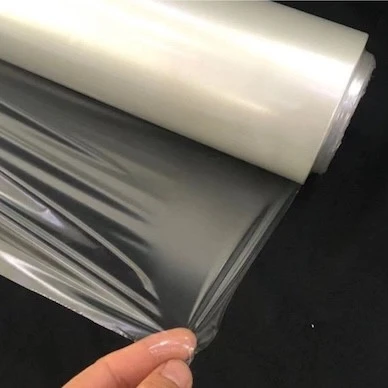
If you’re working on a project—whether it’s a new athletic shoe, a medical device, a consumer product, or an automotive part—and you’re looking for a transparent, flexible, durable material that can stand up to daily use, our team is here to help. We don’t just sell TPU film; we collaborate with you to find the right formulation for your needs, answer questions about processability, and support you from prototype to full production. Connect with our team to discuss your requirements and explore how transparent TPU film can add value to your product.
TPU Sheet References
- Thermoplastic Polyurethane (TPU) Properties and Applications. Modern Plastics Encyclopedia, 2022.
- Biocompatibility of Medical-Grade TPU. Journal of Biomedical Materials Research, 2021.
- Flexible Barrier Films for Consumer Electronics. Polymer Engineering & Science, 2020.
- Transparent TPU Films in Footwear Manufacturing. International Journal of Fashion Technology, 2023.
- Outdoor Durability of TPU Films for Automotive and Recreational Use. Journal of Applied Polymer Science, 2022.
Yantai Leo New Material Technology Co., Ltd.
Yantai Leo New Material Technology Co., Ltd. is one of the most professional tpu film manufacturers and suppliers in China, featured by quality products and low price. Please rest assured to wholesale customized tpu film from our factory. Contact us for free sample.
Address: Zhichu Industrial Zone,Yantai City,Shandong Province,China.
E-mail: lee@leo-newmaterial.com
WebSite: https://www.leo-newmaterial.com/
