Hey there, if you’ve ever spent time around machinery, construction sites, or even that backyard DIY project that felt way more complicated than planned, you’ve probably seen a clevis pin shaft and had no clue what it was doing there. I’ve been supplying pin shafts for over a decade now, and let me tell you—this tiny, unassuming part is the unsung hero of so many systems you interact with every single day. No fancy bells and whistles, just a straight-up workhorse that keeps things connected without all the drama. Pin Shaft
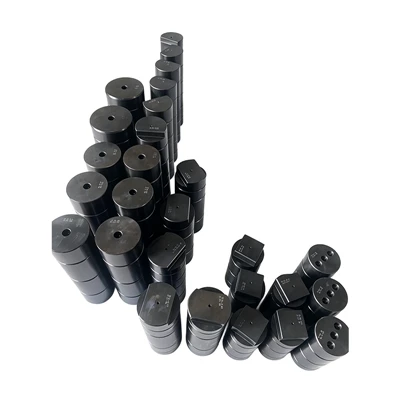
First off, let’s get the basics right: what even is a clevis pin shaft? From my side of the supply desk, I’d break it down simply—it’s a cylindrical metal pin, usually made of steel (sometimes stainless steel, aluminum, or even brass depending on the job) that slides through aligned holes in two parts and locks them together, often with a little hairpin clip or cotter pin on the end to keep it from wiggling loose. The “clevis” part is that U-shaped bracket you’ll usually spot it in—think the end of a trailer’s hitch, or a lawnmower’s steering linkage. It’s not like a bolt that threads into place; it’s meant to be removable, which is key for anyone who needs to take things apart for repairs, replacements, or maintenance. I’ve had a few customers come in and mix them up with regular bolts, and that’s a total rookie mistake—bolts are for permanent or threaded connections, clevis pin shafts are for moving parts that need to pivot or detach easily.
Now, the big question: what is this thing actually used for? Let’s break it down by the industries I see most, because chances are, you’ll recognize at least one of these. Starting with the construction space—this is where clevis pin shafts are everywhere. If you’ve ever stood next to a excavator, you’ve seen the arm that swings the bucket up and down. The connection point between the arm, the hydraulic cylinder, and the bucket? That’s a clevis pin shaft in action. It lets those parts pivot smoothly, even under thousands of pounds of pressure. I had a construction client last year who told me they go through a handful of stainless steel clevis pins a month just on their bulldozer’s track linkage—constant vibration and dirt mean they need regular replacements, and that’s where my supply business comes in. No construction job gets done without these, because heavy machinery can’t function with rigid, unmoving connections.
Next up, agriculture—farmers are some of our most repeat customers, and for good reason. Tractors, combines, hay balers, even small ATVs used on rural properties all rely on clevis pin shafts. If you’ve watched a farmer hook up a trailer or a plow to their tractor, they’re grabbing a clevis pin to lock the two together. It’s quick to slide in, pop a cotter pin on, and just as quick to pull out when it’s time to switch implements. I talked to a corn farmer in Iowa last season who had a custom set of high-strength clevis pin shafts made for his combine’s header—those headers shake like crazy when they’re cutting corn, so regular off-the-shelf pins would bend or snap in a month. That’s the thing about clevis pin shafts: you can get them made to fit any specific load, size, or environment, which is why they’re so versatile.
Then there’s transportation and automotive. Think about a standard trailer hitch ball mount—you slide the shank into the receiver, then use a clevis pin to lock the two together so the trailer doesn’t come unhitched while you’re driving down the highway. That’s a basic, everyday use. I’ve also supplied pins to a motorcycle parts maker who uses them on their bike’s suspension linkages—they need to be corrosion-resistant, since bikes get ridden in rain and mud, so we use 316 stainless steel for those, which holds up way better than regular steel. Even buses and semi-trucks use clevis pin shafts on their braking systems—those air brakes rely on moving linkages, and every part of that linkage is held together with a pin. The last thing anyone wants is a brake failure because a pin fell out, so these things have to be reliable.
Wait, and let’s not forget the smaller, everyday stuff—you don’t have to be in construction or farming to use them. Lawn and garden equipment, like the steering on a riding mower, or the hinge on a garden gate that swings open and closed. Gym equipment, too—many cable-based workout machines use clevis pins to adjust the weight stack or attach the cables to the resistance arms. I even had a customer who makes custom bird feeders that swing open for cleaning, and they use small clevis pin shafts for the hinge because they need to remove the feeder easily to refill it. It’s not all heavy machinery—these little parts are in so many household and hobby items, you just don’t notice them until one breaks.
Now, why does the type of clevis pin shaft matter so much? Because not all pins are made equal. That’s where my supply team gets to work—we don’t just sell one size fits all. You’ve got different materials for different jobs: regular carbon steel is cheap and strong for dry, low-corrosion environments, but if you’re near salt water (like marine use), you need stainless steel or even galvanized steel to prevent rust. For lightweight applications, aluminum clevis pins are perfect—they’re strong enough, but way lighter than steel, which matters for things like RC cars or small bike parts. And then there’s the size and fit: a clevis pin for a 10-ton excavator is way thicker and longer than one for a lawnmower hinge, and if you get the wrong size, it’ll either be too loose (and fall out) or too tight (and cause friction that wears out parts fast). I’ve had a few panic calls from customers who ordered the wrong pin size online—they thought all clevis pins were the same, but we make custom ones every day to fit their exact needs.
Another key point: clevis pin shafts are designed for rotational movement, but they also need to stay secure. That’s why most come with a pre-drilled hole at the tip, right where you put a cotter pin or a hairpin clip. Without that clip, vibration from machinery or even just wind can make the pin work its way out over time. I always tell new customers to check the clip every time they do a maintenance check— it’s a small step that prevents big problems. For more heavy-duty jobs, some clevis pins have a threaded end or a head that sits against the clevis, so they can’t slide through the hole at all, which adds extra security for high-load applications.
Let me be real with you—this is why my business exists. Too many people underestimate how critical these small parts are. A construction crew can’t finish a job if they don’t have replacement pins for their excavator. A farmer can’t plant or harvest crops without the right pin for their tractor’s plow. A family can’t tow a trailer to a campground if the hitch pin is the wrong size. I’ve seen projects delayed for days because someone ordered the wrong clevis pin shaft, and that’s why we keep a huge stock of standard sizes, plus a quick turnaround for custom ones, to make sure that never happens to our customers.
Here’s the thing I’ve learned over years of supplying these parts: people don’t think about clevis pin shafts until they need one. They’re the definition of “out of sight, out of mind” until their lawnmower won’t steer, or their trailer won’t hitch, and they’re running around looking for a replacement at 7 a.m. on a Saturday. That’s why we make sure we’re easy to reach, whether you need a single small pin for a backyard project or a bulk order for a whole construction company. We don’t do hidden fees, we don’t make you wait weeks for a custom order, and we make sure every pin we send is tested to handle the load it’s rated for.
If you’re reading this and you’re thinking “hey, I need a clevis pin shaft for that project I’m working on” or “I go through these all the time for work,” don’t overcomplicate it. First, figure out what you need it for: how much weight will it hold? Is it going to be outside, exposed to water or dirt? What size hole does it need to fit through? If you’re not sure, that’s what we’re here for. We don’t just sell parts—we help people pick the right one, because we’ve worked with so many different industries, we can tell you exactly what you need without you having to guess.
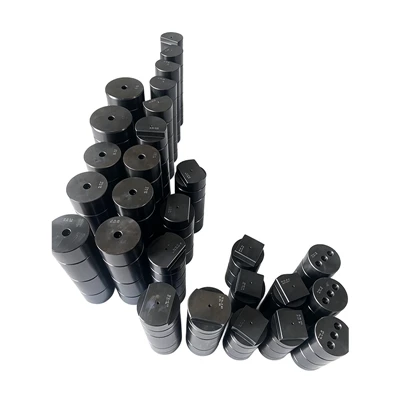
At the end of the day, clevis pin shafts might be small, but they hold a lot of systems together. From the biggest construction machines to the smallest garden tools, they’re the quiet connectors that make movement possible. If you’re tired of dealing with flimsy pins that break or fall out, or if you’re just not sure what kind you need for your next project, reach out. We’re here to help you get the right part, fast, so you can get your project done without the hassle.
Main Shaft References:
- Machinery’s Handbook, 31st Edition, Industrial Press Inc., New York, 2020
- American Society of Agricultural and Biological Engineers (ASABE) Standards, Clevis Pin Specifications for Agricultural Equipment, 2022
- National Association of Trailer Manufacturers (NATM), Hitch Component Guidelines, 2021
- ASTM A320 / A320M-20, Standard Specification for Alloy-Steel and Stainless Steel Bolting for Low-Temperature Service, ASTM International, 2020
- Shigley’s Mechanical Engineering Design, 11th Edition, McGraw-Hill Education, New York, 2020
Maoyu Mechanical Design and Manufacture Co., Ltd.
As one of the most professional pin shaft manufacturers and suppliers in China, we are committed to providing high quality customized products with competitive price. We warmly welcome you to wholesale advanced pin shaft made in China here from our factory. If you have any enquiry about quotation and free sample, please feel free to email us.
Address: No.12 Dongjie, Jingwei South Road, Yuci District, Jinzhong City, Shanxi Province
E-mail: quxingyu@maoyumachinery.com
WebSite: https://www.maoyumachinery.com/
