When you’re in the business of manufacturing plastic containers—whether for food, pharmaceuticals, cosmetics, or industrial chemicals—your injection blowing machine (IBM) is more than just a piece of equipment; it’s the backbone of your production line. As a supplier who’s worked with hundreds of small-batch start-ups and high-volume packaging manufacturers over the past 12 years, I’ve seen first-hand how skipping proper electrical planning for an IBM leads to downtime, part defects, and unexpected costs that can derail even the best production schedules. Today, I’m breaking down the electrical requirements that keep your IBM running smoothly, with insights you won’t find in generic equipment manuals. Injection Blowing Machine
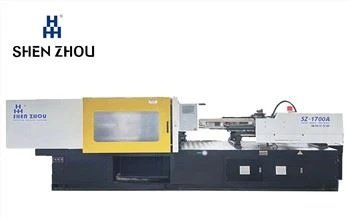
First, let’s start with the core power supply. This isn’t just a “plug it in” situation. Most standard injection blowing machines—from 2-liter bottle models to the larger industrial units that produce 5-gallon containers—require three-phase AC power. I’ve had a customer come to me last year who tried to run a 4-cavity IBM on single-phase power, and within two weeks, their motor burned out. The problem? Three-phase power delivers consistent, balanced voltage to the machine’s main drive and heating elements, whereas single-phase can cause voltage sags during peak load, especially when the toggle mechanism or injection unit engages. For most mid-sized IBMs, the required voltage ranges from 380V to 480V, and amperage depends on the machine’s output: a 2-cavity machine might need 60 to 80 amps, while a 12-cavity high-speed unit can pull 150 to 200 amps. Always check the machine’s nameplate, but as a rule of thumb, never undersize your service; even if your initial production is low, you’ll avoid rewiring costs when you scale up.
Next up, the heating and control circuits. The heating elements in an IBM’s injection unit, mold, and blowing station aren’t just simple resistors—they’re precision-controlled to keep plastic resin at a consistent temperature (usually 180°C to 250°C depending on the material, like PET or HDPE). These elements often run on lower voltage, around 220V, but they’re cycled on and off multiple times per second, so they need a dedicated circuit with surge protection. I recommend adding a separate circuit breaker for the heating bank, not only to prevent overloads but also to let you isolate the heating system if you need to perform maintenance without shutting down the entire machine. The control circuit, which runs the PLC (programmable logic controller), touchscreen, and sensors, is even more sensitive—this is the “brain” of the machine, and voltage spikes here can corrupt programming or fry sensors. For the control circuit, invest in an uninterruptible power supply (UPS) rated for at least the machine’s control load. Last quarter, a pharmaceutical client of mine had a power outage during a critical molding cycle; their UPS saved the PLC from losing production data and prevented a full mold damage, which would have cost them $12,000 in repairs and 3 days of downtime.
Then there’s the motor system, which has two key components: the main drive motor and the auxiliary motors for the toggle mechanism, blow pin, and cooling fans. The main drive motor is typically an induction motor with variable frequency drive (VFD) to adjust speed based on production needs. VFDs are crucial here because they let you match motor speed to the injection and blowing cycle, reducing energy waste and wear on parts. But VFDs can generate electrical noise that interferes with the control circuit’s sensors—so you’ll need to install line reactors and EMI filters on the VFD to suppress that noise. I’ve seen a customer skip this step, and their machine’s pressure sensors were giving false readings, leading to 10% of their production being rejected as defective. Adding those $200 line reactors fixed the issue overnight. Also, make sure your motor’s torque is matched to your machine’s size: an under-torqued motor will struggle with heavy molds, leading to uneven blow pressure and warped bottles, while an over-torqued motor wastes energy.
Cooling is another often-overlooked electrical need, especially for the mold and hydraulic system (many IBMs use hydraulics for the toggle mechanism). Cooling fans and chillers need a consistent water supply to keep molds at the right temperature, but their electrical setup is just as important. Chillers, which remove heat from the mold, can draw a significant amount of power—up to 50% of the machine’s total electrical load, in some cases. If you’re connecting a chiller to the machine’s main circuit, make sure it’s on a separate breaker and that your service can handle the combined load. I’ve had a customer try to run their chiller off the same circuit as their main drive motor, and every time the chiller kicked on, the main motor slowed down, causing inconsistent bottle wall thickness. Separating the circuits fixed the thickness variation, which cut their reject rate in half.
Now, let’s talk about compliance. Depending on where your factory is located, you’ll need to meet local electrical codes, like NEC in the U.S. or IEC standards globally. For example, NEC requires that all industrial equipment over 100 amps has a disconnect switch within sight of the machine for safety, and IEC mandates grounding systems that prevent electrical leakage. As a supplier, we always include a full electrical diagram with every IBM we ship, marking the required wire gauge, breaker sizes, and grounding points. We also offer a pre-installation electrical audit service for new customers, which is a small investment that prevents costly mistakes. Last year, a first-time buyer in Mexico skipped our audit and tried to use 14-gauge wire for a 100-amp machine; we had to send a technician to rewire before the machine could run, costing them $1,800 in labor and 2 days of lost production—something we avoid with that audit.
Energy efficiency is also a big part of modern electrical requirements for IBMs. Many manufacturers now prioritize low-power motors and LED lighting for the machine’s work area, but even small choices like using high-efficiency circuit breakers can add up over time. As a supplier, we design our IBMs with energy-saving VFDs and heating elements that cycle more efficiently, reducing total electrical load by 15-20% compared to older models. For customers who want to go a step further, we also offer options for connecting the machine to a solar array, which works as long as the solar system can deliver balanced three-phase power to the machine’s main circuit. We’ve installed solar-powered IBMs for a beverage company in Brazil, and they cut their energy costs by 70%—a huge savings for high-volume production.
Wait, let’s address a common myth I hear all the time: “I can use a standard industrial outlet for my IBM.” No, that’s not the case. Most large IBMs require a dedicated panel that’s hardwired, not plugged into an outlet. Outlets are designed for lower temporary loads, while IBMs run continuous, high loads. I once had a customer who tried to use a 200-amp outlet for a 150-amp IBM, and after a month, the outlet’s contacts burned out, causing a power spike that damaged the machine’s control system. Hardwiring the machine eliminates that risk.
Another key point: grounding and bonding. The injection blowing process involves high pressure (up to 600 PSI for blowing), and any electrical leakage can be a safety hazard for operators. All metal parts of the machine—frame, mold, heating elements, motor housing—must be properly grounded to prevent shock. We include a grounding lug on every machine, and we recommend testing the ground connection with a multimeter before starting production. I’ve had a customer who skipped this, and an operator got a small shock when touching the mold; a quick test showed the ground was loose, and tightening it fixed the issue before it became a serious accident.

Now, if you’re in the market for an injection blowing machine, don’t leave the electrical setup to chance. We’ve helped dozens of clients—from small craft beverage brands to global packaging manufacturers—get their electrical systems ready for IBM installation. Whether you need help sizing your power supply, choosing the right UPS and VFD, or navigating local electrical codes, our team can walk you through every step to avoid downtime and defects. Don’t let a poorly planned electrical setup derail your production; reach out to our team today to discuss your injection blowing machine needs and get a tailored electrical planning guide for your facility.
Injection Blowing Machine References
- Injection Molding Machine Electrical Design Standards; Industrial Equipment Manufacturers Association, 2022
- IEC 60204-1: Safety of Machinery – Electrical Equipment of Machines, International Electrotechnical Commission, 2021
- NEC Article 430: Motors, Motor Circuits, and Controllers, National Fire Protection Association, 2023
- Plastic Packaging Machinery Electrical Efficiency Guidelines; Society of Plastics Engineers, 2022
Shenzhou Machinery Co., Ltd.
As one of the most professional injection blowing machine manufacturers and suppliers in China, we’re featured by quality products and good price. Please feel free to buy advanced injection blowing machine made in China here from our factory. We also accept customized orders.
Address: Fenghuang Town, Zhangjiagang City, Jiangsu Province, P.R.China
E-mail: sale@shenzhoumac.com
WebSite: https://www.shen-zhoumachinery.com/
