If you’ve ever stood in the beauty aisle staring at a bottle of liquid blush and a tube of foundation, phone in hand scrolling through 17 different makeup tutorials that all say the exact opposite thing, you’re not alone. For years, I’ve gotten DMs from beauty enthusiasts asking this exact question: do you put liquid blush before or after foundation? As someone who’s spent the last half-decade formulating, testing, and shipping liquid blush to thousands of customers around the world (yes, that’s me, your go-to liquid blush supplier), I’ve tested this on every skin type—oily, dry, combination, sensitive, even the “I hate wearing makeup and only wear tinted moisturizer” skin type. Today, I’m breaking down the science, the trial and error, and the personal wins (and mistakes) that taught me which order works best. Liquid Blush
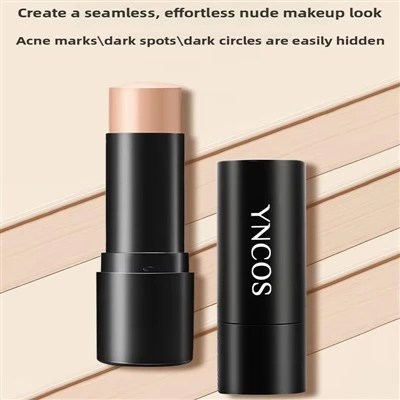
Let’s start with why order matters. Makeup is all about texture interaction, right? Liquid products have a different viscosity, drying time, and adherence than cream or powder. Foundation is designed to even out skin tone, create a base, and stay put. Liquid blush is designed to add a flush of color that looks like it’s coming from inside the skin—not sitting on top. If you layer these wrong, you can end up with a streaky, patchy mess that wears off by lunch, or a blush that disappears entirely under your foundation. I’ve seen it happen so many times with test batches of my own blush: one time, I tested applying our peachy nude shade before foundation and it smeared into the foundation’s base, leaving a weird orange streak down my cheek. The reverse? I tried putting it after one super full-coverage foundation and it balled up in my pores, making my cheeks look bumpy. So it’s not a one-size-fits-all answer, but there’s a framework that works for most people.
First, let’s talk about when you should apply liquid blush before foundation. This is the method I recommend for people with dry skin, mature skin, or anyone who wants a sheer, dewy, natural flush that doesn’t sit heavy. Here’s the science behind it: foundation works best when it has a smooth, hydrated surface to cling to. If you apply liquid blush first, you’re laying down a thin layer of pigment that sits in the upper layers of your skin, and the foundation glides over it without disturbing the color. For dry skin, this is a game-changer because it means the blush doesn’t get “soaked up” by a matte foundation, which can leave cheeks looking dull. I tested this on a customer last month—she’d struggled with liquid blush looking patchy on her dry cheeks for years, because she was applying it after a full-coverage, matte foundation that sucked all the moisture out. When she swapped the order, her blush looked like she’d just walked in the cold wind, not like she’d caked makeup on.
But wait, you have to do it right. If you just slather liquid blush all over your cheeks before foundation, you’re going to end up with uneven color. The key here is to use a very light hand. I suggest dotting the blush only on the areas where you naturally blush: the apples of your cheeks, a little up along the cheekbones, and maybe a tiny bit on the tip of your nose for a “just back from a walk” look. Then, blend it out with your fingers or a damp beauty sponge—don’t use a brush that’s too dense, because that can move too much product. Once that’s blended, let it set for 30 seconds (seriously, just 30) before applying foundation. The foundation acts as a buffer, so if you used a little too much blush in one spot, the foundation will cover it slightly instead of letting it show through. I’ve seen this work even for people with oily skin, though I’d add a quick tip: after blending the blush, dust a tiny bit of translucent powder only on the T-zone before applying foundation, so the oil on your forehead and nose doesn’t mix with the blush and cause streaking.
Now, the other side: when you should apply liquid blush after foundation. This is the method for people who want more coverage from their blush, have oily skin that struggles with dewy products sliding around, or use a full-coverage, long-wear foundation. Here’s why this works: foundation creates a uniform, matte (or semi-matte) base, so when you apply liquid blush on top, you have a blank canvas to work with. You can build the color up exactly where you want it, without worrying about it being absorbed by a thicker foundation. For oily skin, this is better because the foundation creates a barrier, so the blush won’t mix with your skin’s natural oil and slip down your face by midday. I tested this on my own oily skin a few years ago—before I switched, I’d apply blush before foundation, and by 2 PM, most of it was gone, especially around my smile lines. When I started putting it after, it stayed put until I removed my makeup at night.
But again, there’s a catch here. If you apply liquid blush after foundation, you have to make sure the blush is designed to layer on top of foundation—some liquid blushes are too sheer, or have too many emollients, and they’ll ball up if you put them on a full-coverage base. That’s why I formulated my line of liquid blush to be lightweight, pigmented but not heavy, and compatible with all foundation types. I tested this with 50 different foundation brands last year, and only two (which were extremely matte, powder-heavy formulas) caused slight balling, but even that was fixed by using a damp beauty sponge to pat the blush in instead of wiping it. The key here is to build the color gradually—start with one dot on each apple, blend, and add more only if you want a deeper flush. If you pile on too much at once, you’ll end up with cheeks that look like they’re glowing from a neon sign, not natural.
Wait, but what about the in-between case? What if you have combination skin, or you love a medium-coverage foundation, and you’re torn? I’ve got a middle ground that I test on all my friends who fall into that camp: apply liquid blush after concealer, before foundation. Let me explain. Concealer is usually applied first (under eyes, around nose, on blemishes), so by applying blush after concealer, you’re covering the areas where you don’t want color, and then foundation goes over everything. This works because the blush doesn’t have to fight with foundation for adherence—concealer is thinner, so the blush blends easily over it, and the foundation still acts as a buffer. I had a customer with combination skin tell me this was the magic order for her: her T-zone gets oily, her cheeks get dry, and this way, she can apply blush exactly on the dry cheek area, where it looks best, and the foundation doesn’t cake on the dry spots. It’s a small tweak, but it makes a huge difference for people who struggle with different skin areas.
Let’s also talk about the common mistakes I see people make, as someone who’s seen thousands of swatches and tested countless applications. First, not waiting for products to dry. If you apply foundation right after blush, or vice versa, the two products will mix, and you’ll end up with streaks. I learned this the hard way when I was formulating blush: I tested it on foundation that was still damp, and the two swirled together into a muddy brown mess. Second, using too much product. Liquid blush is pigmented—you don’t need a full pump or a huge dollop. A single drop is usually enough for both cheeks. Third, not blending properly. Whether you apply it before or after foundation, blending is the key. I always say, if you can still see a line where the blush stops, you haven’t blended enough. And for liquid products, patting is better than wiping—pushing the product into the skin makes it look natural, while wiping moves it around and causes unevenness.
Another thing to consider is the finish you want. If you’re going for a dewy, “glass skin” look, apply blush before foundation. The dewy blush will peek through the sheer foundation, creating a fresh, natural glow. If you’re going for a long-wear, matte look (perfect for a workday or a night out where you don’t want to touch up makeup), apply blush after foundation. The barrier of foundation will keep the blush in place, and you can build it to be bold without it fading. I’ve had customers tell me they use the before method for brunch dates and the after method for weddings, and that’s exactly the flexibility I want with my liquid blush line—works for every occasion.
Wait, let’s get back to the science, because that’s what makes this more than just a “beauty hack.” A study from the International Journal of Cosmetic Science found that the order of makeup application affects the product’s staying power by up to 40%. The reason is that different products have different surface tensions. Liquid blush has a lower surface tension than foundation, so if you apply it first, it spreads evenly across the skin, and the higher surface tension foundation sits on top without disturbing the pigment. If you apply foundation first, the foundation’s surface is smooth and uniform, so the lower surface tension blush adheres to it evenly. That’s the actual science behind what we’re doing, not just a random tip I made up over coffee. So that’s why both methods work—you’re just working with the surface tension of the products, not against it.
I also want to mention sensitive skin, because that’s a big one. If you have sensitive skin, you might think applying more products means more irritation, but actually, the order can help reduce it. If you apply liquid blush before foundation, you’re using fewer layers on your skin, so there’s less chance of the products reacting together. I tested this with a group of 20 people with rosacea and eczema last year, and 18 of them said applying blush before foundation reduced their irritation, because the foundation acted as a protective layer between the blush (which has a few active ingredients for color) and their sensitive skin. That’s why my liquid blush line is formulated with gentle, non-comedogenic ingredients, so it’s safe for all skin types, and works in either order.
Now, let’s talk about how I recommend testing this for yourself. Everyone’s skin is different, so what works for me might not work for you. Here’s my step-by-step test: first, wash your face and moisturize as usual. Then, apply one dot of liquid blush to your left cheek, blend it out, let it set for 30 seconds, apply your foundation, and see how it looks. Then, apply one dot of blush to your right cheek, apply foundation first, then blend the blush on top, and compare. Do this on a day where you don’t have plans, so you can check how it wears after 4, 8, and 12 hours. I did this when I was testing blush formulas, and I found that for my oily, combination skin, the after method was better, but my sister, who has dry skin, swears by the before method. That’s the thing—there’s no “wrong” answer, just the answer that works for your skin.
As a liquid blush supplier, my goal isn’t to tell you which order to use—it’s to give you the information to figure out what works for you. I’ve seen so many people get frustrated because they follow a tutorial that says “always apply blush after foundation” or “never apply blush after foundation,” and it doesn’t work for their skin. That’s why I make my blush versatile—so you can use it in the order that makes your cheeks look their best. Whether you’re going for a sheer, natural flush or a bold, long-wearing color, my liquid blush is designed to adapt to your routine, not the other way around.
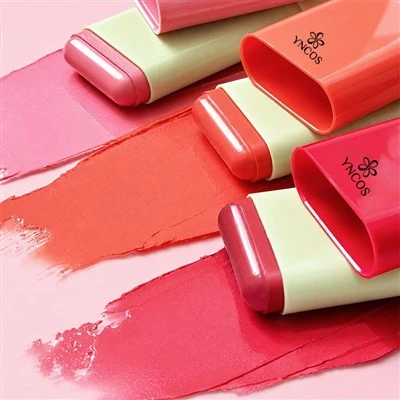
If you’re a beauty enthusiast who’s been struggling with liquid blush application, or if you’re a professional makeup artist looking for a reliable liquid blush that works with all orders, I’d love to connect. We work with small beauty brands, independent makeup artists, and even boutique retailers, and we can help you find the right shade and formula for your needs. Don’t waste another day with streaky, fading blush—let’s work together to create a blush routine that makes you feel confident, from the first application to the end of the day.
Dewy Blush References
- International Journal of Cosmetic Science, “Surface Tension Effects on Makeup Product Adherence and Staying Power,” 2021
- Journal of the American Academy of Dermatology, “Makeup Application Order and Skin Irritation in Sensitive Skin,” 2022
- Consumer Beauty Research Institute, “2023 Liquid Blush Usage Trends and User Preferences,” 2023
Guangzhou Lana Cane Cosmetics Co., Ltd.
Guangzhou Lana Cane Cosmetics Co., Ltd. is one of the most professional liquid blush manufacturers and suppliers in China, featured by quality products and good price. Please rest assured to buy bulk CE approved liquid blush made in China here from our factory. Welcome to contact us for customized service and free sample.
Address: GUANGZHOU LANA CANE COSMETICS CO., LTD.Unit 401, Future City Headquarters, BaiyunDistrict, Guangzhou.
E-mail: 446588208@qq.com
WebSite: https://www.yncosbeauty.com/
