If you’ve recently dabbled in custom neon signage for a café, gym, or home game room, you’ve probably stared at two sets of gear on your workbench: the classic glass neon tubes with their bulky transformers, and a sleek new batch of LED neon flex strips that feel lighter, safer, and way easier to install. And if you’re like most small business owners or DIY creators, you’ve asked yourself one very practical question: Can I use an LED controller for neon lights? As someone who’s been in the LED controller supply space for over a decade—helping everyone from local sign makers to Fortune 500 brand teams get their lighting projects right—I get this question all the time. The short answer is yes, but it’s not as simple as plugging any old controller into any neon strip. There are technical details, common pitfalls, and a few key differences between traditional glass neon and modern LED neon you need to nail down first. Let’s break this down, no confusing jargon, just the real-world insight I pass on to every customer who walks or calls through our doors. LED Controller
First, let’s get one thing straight: “neon lights” isn’t just the old glass tubes we associate with mid-century diners. Today, when most people refer to neon for signage, they’re talking about LED neon flex—those flexible, silicone-encased strips that look almost identical to glass neon but use tiny surface-mount LEDs (SMDs) instead of gas-filled glass. That distinction is critical because LED controllers are built for managing LED-based loads, not the high-voltage, gas-dependent circuitry of traditional glass neon. So right off the bat, if you’re working with real glass neon, you can’t just swap its transformer for an LED controller—we’ll cover that edge case later, but for 90% of the projects our customers bring in, we’re talking about LED neon flex, and that’s 100% compatible with a properly matched LED controller.
Now, why would you even want to use an LED controller for your neon setup? The biggest benefit is control. Traditional glass neon is almost always on a fixed power source, so it’s either full brightness or off. But LED controllers let you do so much more: dim the neon to set a mood in a retail storefront, sync the lighting to a Spotify playlist for a bar’s event space, set custom color sequences for a wedding neon sign, or even adjust brightness automatically to match the time of day for a 24/7 business. I had a customer last year who owned a boutique coffee shop in Portland—they installed custom “COFFEE” LED neon flex above the order counter, and paired it with one of our basic dimmable LED controllers. Now, they dim the neon to 30% brightness during slow weekday mornings, crank it to 100% during peak lunch rush, and even set a soft warm glow after closing for late-night regulars who stop by for a post-dinner latte. That kind of flexibility is impossible with a standard neon power supply, and it’s all thanks to pairing the right LED controller with their neon strip.
But here’s where most people mess it up: not matching the controller to the LED neon’s technical specs. LED neon strips, like all LED products, have two non-negotiable specs: voltage and power draw. If your controller doesn’t align with both, you’ll get flickering, dead neon, or even a blown component—and that’s a waste of time and money. Let’s keep this simple, no datasheet deep dives. Most standard LED neon flex strips come in two voltage types: 12V DC and 24V DC. Low-voltage LED neon is the most common for small to mid-sized projects (like custom name signs, small business signage, or home use) because it’s safe to work with, no high-voltage shocks to worry about. High-voltage LED neon (120V or 240V AC) is rarer, used for large commercial signs, and those need a slightly different type of controller.
As a controller supplier, I can tell you the first rule we hammer into every new customer: never pair a 120V neon controller with a low-voltage LED neon, and vice versa. For example, if you have a 12V LED neon strip that draws 5 watts per meter, you need a controller rated for at least that power load (and we always recommend adding 20% headroom to avoid overloading the controller, by the way—common mistake number two). Let’s say you have a 2-meter long 12V LED neon sign for your man cave: that’s 10 watts total, so a controller rated for 10W or higher will work perfectly. If you tried to use a cheap, unbranded RGB controller you bought from a big-box store that’s rated for only 5W, it’ll either flicker nonstop or shut off after 10 minutes because it can’t handle the load. We’ve seen this so many times—customers grab the cheapest controller they can find, skip checking specs, and end up with a setup that doesn’t work, then have to come buy a properly matched controller from us.
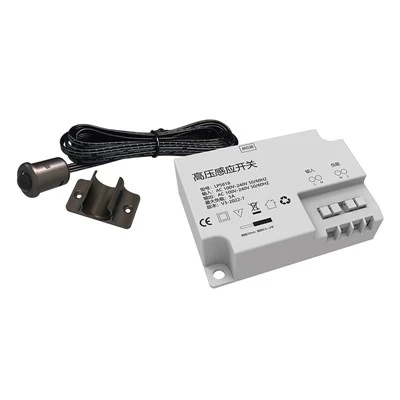
Another big consideration: what kind of control do you need? LED controllers come in three main categories, and picking the wrong one will leave you disappointed. The first is basic dimmable controllers: these do exactly what they sound like—adjust brightness, set on/off schedules, and work with single-color or tunable white LED neon. They’re perfect for small projects, home use, or any setup where you just need brightness control, no fancy color changes. The second is RGB or RGBW controllers: these let you change the color of your neon, mix custom hues, and run pre-programmed sequences. If you want a neon sign that glows pink for Valentine’s Day, blue for a baby shower, or cycles through a rainbow for a music venue, this is the type you need. The third is advanced smart controllers: these connect to WiFi, Bluetooth, or even DMX for professional installations, let you control the neon from your phone, sync to music, voice assistants like Alexa, or even larger lighting setups. We supplied a set of smart RGBW controllers last year to a event planner in Miami who was doing a pop-up neon art show—they synced all 20 neon signs to the show’s soundtrack, so each sign’s color changed in time with the music, and they could adjust everything from their phone back at the box office. That’s the kind of functionality only a properly matched LED controller can deliver.
Wait, but what about traditional glass neon? I promised to cover that edge case, and it’s one we get a lot because some people still swear by the classic glass look. Can you use an LED controller for glass neon? The short answer is no, and here’s why: traditional glass neon runs on high-voltage alternating current (AC) usually 1,000 to 15,000 volts, from a heavy neon transformer. LED controllers, on the other hand, operate on low-voltage direct current (DC) for LED loads. They’re designed to step down and regulate low voltage, not handle the extreme high voltage of glass neon. Trying to use an LED controller for glass neon won’t just not work—it’s a safety hazard, too. High voltage can arc through wiring, cause shocks, or start fires, so we always warn customers not to mix these two technologies. If you have glass neon and want to add control, your only option is a special neon controller built specifically for high-voltage glass tubes, which is a completely separate product line we carry for commercial sign makers.
Now, let’s talk about common myths we hear all the time, because there’s a lot of misinformation out there about LED controllers and neon lights. The first myth: “All LED neon strips are compatible with all LED controllers.” No, that’s not true—we already talked about voltage and power, but there’s also connector type. Most LED neon strips come with either bare wire ends or a JST connector, and controllers have matching ports. If you buy a controller with a different connector, you’ll need to use adapters, which are fine as long as they’re rated for the same voltage, but it’s an extra step people often forget. The second myth: “Higher wattage controllers are always better.” Not necessarily—if your neon is only 5W, a 100W controller will work, but it’s overkill and more expensive. The key is matching the controller’s rated output to the neon’s input, not just grabbing the biggest one you can find. The third myth: “You need a separate controller for every section of neon.” If your neon is longer than 5 meters, most low-voltage LED neon can’t be powered from a single controller anyway—they’re too long, so you’ll need to add power injectors, and if you want to control different sections differently, you can use a controller with multiple output channels. But for most residential or small business projects, one controller is enough.
As an LED controller supplier, I also want to mention a few pro tips that can save you time and frustration when setting up your neon and controller. First, always buy from a reputable brand—cheap controllers from unknown sellers are often unregulated, meaning they can send inconsistent power to your neon, leading to shortened lifespan or flickering. We test every controller we sell under load to make sure they’re consistent, and we offer a 2-year warranty because we stand behind our products. Second, plan for future expansion. If you think you might add more neon sections down the line, buy a controller with extra channels or higher wattage than you need right now, so you don’t have to replace it later. Third, check the IP rating if your neon is going outside or in a damp area (like a patio bar or pool sign). Most indoor LED neon has an IP20 rating, which is fine for dry spaces, but if it’s exposed to rain or moisture, you’ll need a controller with an IP65 or higher rating to keep it safe.
I recently worked with a small boutique in Austin that was installing a custom neon sign for their storefront. They came to us with a pre-purchased LED neon strip they’d bought online, and they’d picked up a cheap controller from a social media ad. When they tried to connect them, the neon flickered nonstop, and the controller got so hot it was too hot to touch after 10 minutes. We tested their neon: it was 24V DC, 10W per meter, but the controller they had was only rated for 5V DC, which was the wrong voltage entirely. They swapped for one of our 24V dimmable controllers, and the neon worked perfectly. We also added a small heat shrink kit for the wiring connections, so the setup would last for years. That’s exactly why we’re here—not just to sell controllers, but to help people get the right gear for their project, no guesswork.
Another example: a tech startup in New York that wanted a dynamic neon sign for their office lobby to display different brand slogans throughout the day. They had a 5-meter long RGB LED neon strip, and they wanted to sync it to their office’s lighting system and a TV screen in the lobby. We paired their neon with one of our DMX-compatible controllers, which lets you connect multiple lighting devices and control them all from a single interface. Now, when they run a product demo in the lobby, the neon changes to their brand colors, and during team events, it cycles through custom color sequences they programmed. That’s the kind of integration you can only get with a properly matched LED controller, and it turns a simple sign into a dynamic part of their brand’s space.
At the end of the day, the question “Can I use an LED controller for neon lights?” boils down to two simple things: what kind of neon you have, and what you want to do with it. If you’re working with modern LED neon flex, low-voltage or commercial high-voltage LED neon, and you want to add dimming, color control, or smart functionality, yes, a properly matched LED controller is the best way to go. If you’re working with traditional glass neon, no, you need a specialized neon controller built for high-voltage gas tubes. The biggest mistake we see is people skipping the spec check and buying generic gear, which leads to frustrated customers and wasted money.

If you’re planning a neon project and you’re not sure which controller you need—whether it’s a small home sign, a storefront, or a large commercial installation—we’re here to help. We don’t just sell controllers; we walk you through every step of matching gear to your neon, answer any technical questions, and make sure your setup works the way you want it to. No jargon, no pushy sales pitches, just real insight from someone who’s been in this industry long enough to know what works and what doesn’t. Whether you’re a first-time DIYer or a seasoned sign maker, we’re here to help you get the right gear for your project. Don’t hesitate to reach out and start a conversation about your next neon lighting project.
LED Controller and RF Remote References
- LED Flex Lighting Technical Guidelines, LED Industry Association, 2022
- Low-Voltage Lighting Controller Safety Standards, National Electrical Manufacturers Association, 2021
- Commercial Neon Sign Installation Best Practices, International Sign Association, 2023
Dongguan Lanbaoli Intelligent Technology Co., Ltd.
As one of the most professional led controller manufacturers and suppliers in China, our products have good reputation in the market. We warmly welcome you to buy durable led controller for sale here and get pricelist from our factory. Quality products and low price are available.
Address: 10th Floor, Building 32, Golden Town, No.7 Technology Avenue, Houjie Town, Dongguan City, Guangdong Province
E-mail: anna@lampow.cn
WebSite: https://www.lblsensors.com/
