If you’ve ever walked through a home improvement store, flipped through a stack of unfinished lumber, or paused to admire a sturdy custom bookshelf, you’ve probably come across finger joint pine board—even if you didn’t know its name. As a supplier who’s spent 12 years sourcing, processing, and shipping these boards to woodworkers, cabinet makers, and DIY enthusiasts across North America, I’ve heard the same question a hundred times: “What is it, and why is it better than the solid pine boards my grandpa used?” Finger‑joint Board
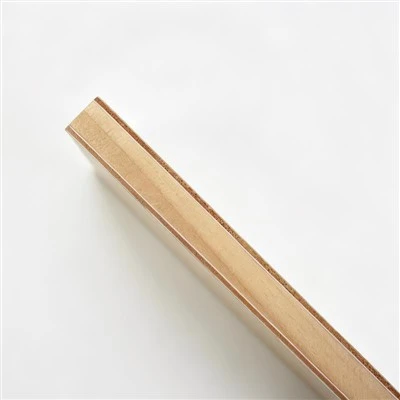
Let’s break it down simply, no confusing jargon, because the answer ties directly to why this material is such a workhorse for every project from bathroom vanities to garden raised beds.
First, start with the basics: all pine (the vast majority used for finger joint boards is southern yellow pine or eastern white pine) is natural wood, harvested from pine trees grown in sustainably managed forests—something I personally verify with every mill I partner with, because I don’t want to sell product that hurts the woods we all rely on. What makes a finger joint board different from a standard solid pine board is how it’s made, step by step.
Let’s walk through the manufacturing process, because that’s where the magic happens. When loggers harvest a pine tree, they mill it into rough lumber, which is then dried in large kilns. Kiln drying is non-negotiable: it removes the moisture inside the wood so it doesn’t warp, crack, or shrink later. But here’s the thing: even after drying, solid pine has a big flaw—natural knots, grain irregularities, and sometimes small cracks or dead knots that weaken a board or ruin its look. For large projects, you need long, consistent pieces, right? You can’t just take a 6-foot pine board to build an 8-foot bookshelf, and you definitely don’t want one with a dead knot that’ll fall out in a year.
That’s where finger jointing comes in. Instead of wasting the small, imperfect sections of lumber (the scraps from cutting long boards, or the parts with knots), processors take those short, usable pieces (usually 6 to 12 inches long) and cut interlocking, finger-shaped notches into both ends of each piece. Think of it like joining two puzzle pieces, only the notches are tiny, evenly spaced, and precise. Then, they glue those notches together with food-safe, weather-resistant adhesive (important if you’re using the board for kitchen cabinets or outdoor projects), clamp them tight, and let the glue cure. Once cured, the joined section is cut flat and sanded to match the rest of the board.
The end result is a board that’s 8, 10, or even 12 feet long, with a consistent thickness and width, no knots in the middle, and zero wasted lumber. For context, a standard solid pine board might have a 10 to 15% waste rate from knots or defects, while a finger joint board has a waste rate of less than 5%—that’s why it’s more affordable than you might expect, even for large orders.
Now, let’s bust the biggest myth about finger joint pine boards: “Is it weak, since it’s glued together?” No, not if it’s made right. The glue used is as strong as the wood fibers themselves—when done properly, the joint is the strongest part of the board. I’ve watched our quality team test this: they clamp a board at both ends and add weight until it breaks, and it almost always snaps somewhere in the solid pine section, not at the finger joint. The interlocking finger design means the glue has far more surface area to bond than a simple butt joint, so it won’t pull apart over time. And since it’s made from dried lumber, it doesn’t warp or shrink nearly as much as solid pine. I recently sent a client a 10-foot finger joint pine board for a deck rail, and they told me two years later it was still perfectly straight, no gaps at the joints, no cracks from temperature changes.
What about the look? A lot of people think finger joint boards are just for the “invisible” parts of a project—like the inside of a cabinet. That’s outdated. Modern finger joint boards are finished on all sides, so the joint is barely noticeable if at all. The small, uniform notches create a subtle linear pattern that’s actually trendy right now for modern, rustic, or minimalist designs. I see more and more custom furniture makers using finger joint boards for the face of their bookshelves or the sides of dining tables, because the pattern adds just enough detail without being overwhelming. And if you want a smooth, knot-free surface, you can even get “clear” grade finger joint pine, which is made entirely from defect-free short pieces—no knots, no grain irregularities, just a consistent, light pine surface that paints or stains beautifully.
Let’s talk about the practical uses, because that’s what most customers care about. A lot of our clients are small cabinet shops that build kitchen and bathroom cabinets: finger joint pine is perfect here because it’s affordable, easy to cut and router, and holds screws tight (better than plywood, in my experience, because pine is a softer wood that doesn’t strip easily). Other common uses: outdoor raised garden beds, fencing, deck skirting, storage sheds, furniture, even window and door casings. It’s also great for DIYers because it’s lighter than solid hardwood, easier to carry and cut, and way more forgiving for beginners—no need to worry about a hidden knot ruining a cut halfway through a project.
Wait, what about comparing it to other lumber options? I get asked that all the time. Let’s go up against plywood first: plywood is made from thin wood veneers glued crosswise, so it’s very stable, but it’s often more expensive, and the edges can be messy unless you cover them with trim. Solid pine is the “classic” option, but as I said, it’s prone to warping, has knots, and shorter lengths mean you might need to butt two boards together for a large project, which creates an obvious gap. Finger joint pine sits right in the middle: it’s cheaper than solid pine for long lengths, more stable than solid pine, cheaper than plywood, and has a cleaner look than either for face applications.
And let’s not forget about sustainability. The lumber industry is under a lot of pressure to reduce waste, and finger joint pine boards are a huge part of that. We’re taking scrap lumber that would otherwise end up in landfills or burned, and turning it into a usable, high-quality product. All the pine we source is from FSC-certified forests, meaning every tree harvested is replaced with a new seedling within a year, so we’re not depleting old-growth forests. That’s something I’m proud to tell our customers—they’re not just buying a board, they’re buying a more eco-friendly building material.
Of course, no product is perfect, so it’s honest to mention the downsides, too. First, the joint: if a finger joint board is made with cheap glue or uneven cuts, it can pull apart over time, especially if used in very high-moisture areas like a shower surround (though we do offer pressure-treated finger joint pine for outdoor or high-moisture projects, which is treated to resist rot and insects). Second, the notches: if you’re a perfectionist and want a completely seamless look, you might have to fill the tiny gap between the joints with wood filler, though it’s barely noticeable with clear grade boards. Third, it’s not as hard as hardwood, so it can scratch easier if you’re building a table that’ll get a lot of heavy use—for that, we recommend hardwood finger joint boards, like oak or maple, if the budget allows.
As a supplier, I’ve seen how well finger joint pine boards solve problems for builders and DIYers. Ten years ago, we only sold to a handful of cabinet makers, now we ship to hobbyists building treehouses, farmers building storage barns, and architects designing modern public parks. The reason? It’s versatile, affordable, and reliable—three things every builder needs.
If you’re working on a project and wondering if a finger joint pine board is right for you, or if you’d like to order custom lengths, grades, or quantities for your next big job, I’m here to help. We work with everyone from small one-person DIY projects to large commercial construction crews, and we can ship directly to your job site or home. No minimum orders, no hidden fees, just quality lumber and honest advice from someone who’s been in this industry long enough to know what works and what doesn’t.
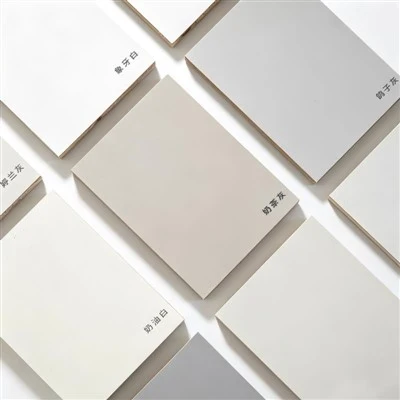
If you have questions about grades, pricing, or custom orders, feel free to reach out to our team to discuss your needs. We’re happy to send samples or walk through any details you need to make sure you get the right board for your project.
References
Melamine Faced Chipboard Forest Stewardship Council (FSC). Sustainability Principles and Criteria for Forest Management.
American Wood Council. Engineered Wood Products: A Guide for Builders and Designers.
Southern Pine Council. Finger Joint Lumber: Manufacturing, Performance, and Applications.
Jiangshan Shunlong Wood Industry Co., Ltd.
As one of the most professional finger‑joint board manufacturers and suppliers in China, our products have good reputation in the market. Please feel free to wholesale bulk finger‑joint board in stock here and get quotation from our factory. We also accept customized orders.
Address: No.7 Jinfeng Road, Jintangshan Industrial Zone, Hecun Town, Jiangshan City, Quzhou City, Zhejiang Province
E-mail: 17858202655@163.com
WebSite: https://www.shunlongwood.com/
